
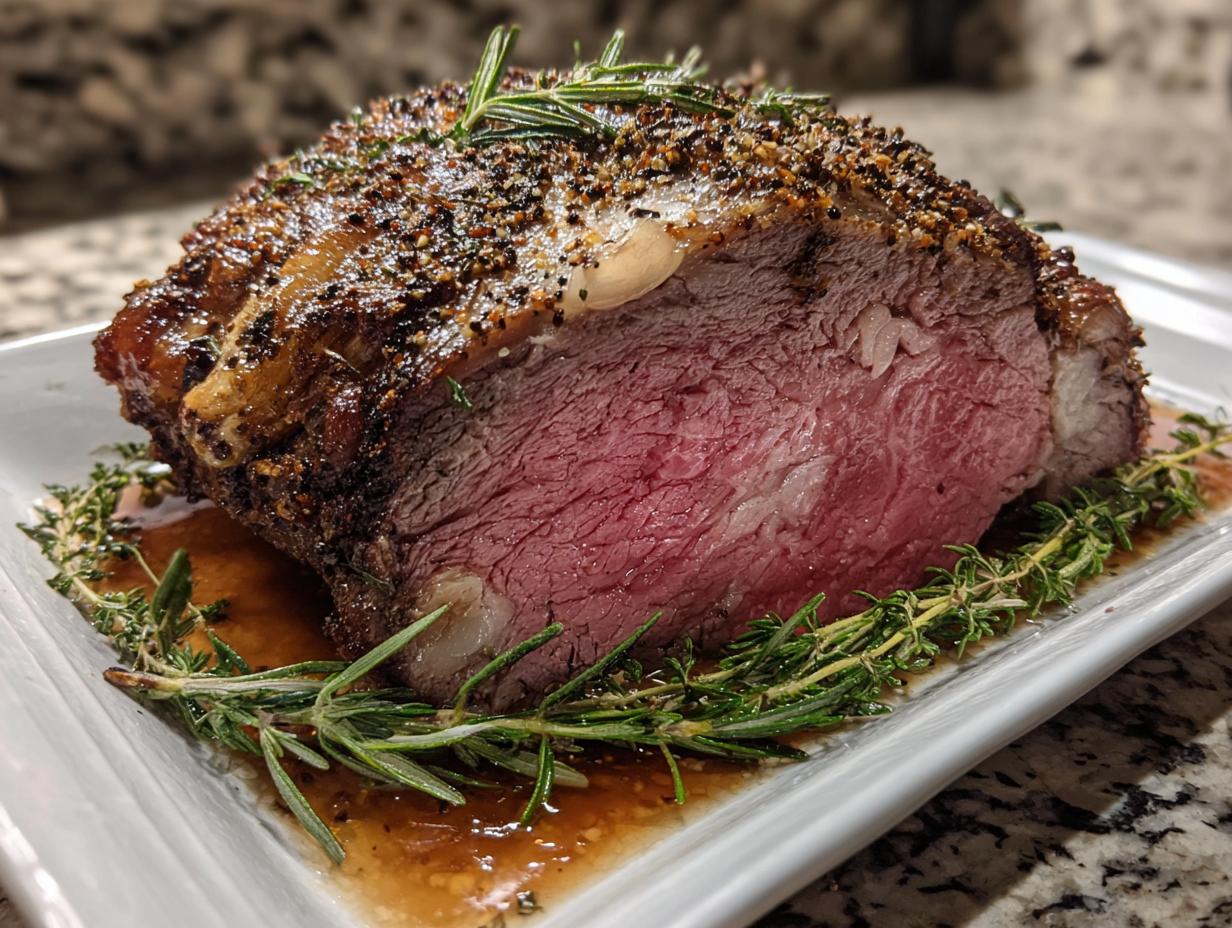
There’s nothing quite like the moment when you pull a gorgeous prime rib roast from the oven—that rich, meaty aroma filling the kitchen, the crust crackling as it rests, knowing you’re about to serve something truly special. I’ll never forget the first time I made prime rib for Christmas dinner—my hands shaking as I carved into that perfect pink center, my family’s faces lighting up with that first juicy bite. This isn’t just roast beef; it’s a celebration on a platter. The way the fat renders into buttery tenderness, the way simple seasonings let the beef shine—that’s the magic of a well-made prime rib. Whether it’s holidays, anniversaries, or just because you deserve something fabulous, this recipe turns intimidating into effortless every time.
Why You’ll Love This Prime Rib Recipe
Let me tell you why this prime rib recipe never lets me down—and why it’ll become your go-to for special occasions too:
- That melt-in-your-mouth texture – The slow roasting keeps every slice juicy and tender, never dry or tough like some roasts can be
- Simple seasoning that actually works – No fancy rubs needed, just garlic, herbs, and good salt to let the beef flavor shine
- It looks like you worked way harder than you did – That gorgeous browned crust and pink interior? Total showstopper on any holiday table
- Perfect for stress-free entertaining – Once it’s in the oven, you’re free to enjoy your guests (or sneak a glass of wine) while it cooks itself
Trust me, once you see how easy impressive tastes, you’ll be finding excuses to make this all year round!
Prime Rib Ingredients List
Gathering your ingredients for prime rib is half the fun—it’s amazing how a handful of simple things transform into something spectacular. Here’s what you’ll need (and why each one matters!):
For the Prime Rib
- 1 bone-in prime rib roast (about 5 lbs) – The bone keeps it extra juicy and adds flavor. If you must go boneless, get one with a fat cap!
- 2 tbsp olive oil – Helps the seasoning stick and creates that gorgeous crust
- 2 tsp salt – Coarse kosher salt is my go-to for perfect seasoning
- 1 tsp black pepper – Freshly ground makes all the difference here
- 2 tsp garlic powder – Trust me, the powder sticks better than fresh for this
- 1 tsp dried rosemary – Crush it between your fingers to wake up the oils
- 1 tsp dried thyme – The perfect partner for rosemary with beef
Don’t stress if you’re missing an herb—this recipe is flexible. No rosemary? Double the thyme. Garlic powder MIA? Fresh minced works (just pat it dry first). The only truly non-negotiable items are the roast itself and that glorious salt crust—the rest you can play with. Pair it with some roasted Brussels sprouts and you’ve got a meal worth celebrating!
How to Cook Prime Rib Perfectly
Alright, let me walk you through my foolproof method for cooking prime rib – the way that’s never failed me, even when I’m serving my picky in-laws! It’s simpler than you think, but there are a few key steps you don’t want to skip. Grab your roasting pan and let’s make some magic happen. I promise, by the time you’re done, you’ll be slicing into the most gorgeous, juicy roast you’ve ever made. Just follow these steps (and maybe peek at this guide if you want some extra reassurance).
Step 1: Preheat and Season the Prime Rib
First things first – crank that oven up to 450°F (yes, really that hot!). While it heats, take your prime rib out of the fridge – this gives the chill time to ease off so it cooks evenly. Now, here’s my little secret: pat that roast completely dry with paper towels first. Dry meat browns better, and browning equals flavor town. Rub it all over with olive oil, then massage in your salt, pepper, and those gorgeously fragrant herbs. Don’t be shy – this is where the flavor starts!
Step 2: Roast to Perfection
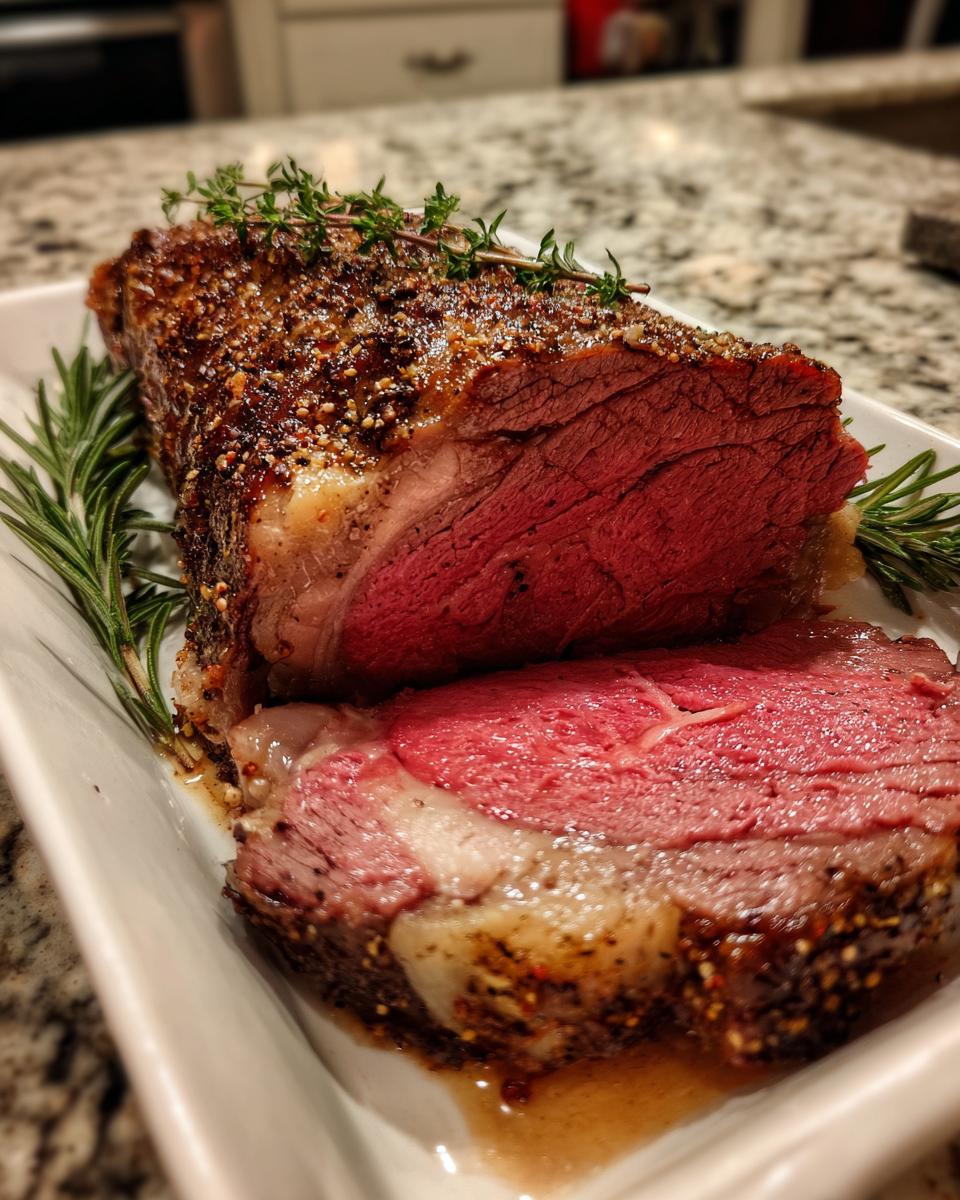
Here comes the important part! Pop your seasoned prime rib into that blazing hot oven for just 15 minutes – this gives you that beautiful, crispy crust we all love. Then, without opening the door (tempting as it may be!), reduce the heat to 325°F. Now the slow magic happens. Roast until your meat thermometer hits 120°F at the center for perfect medium-rare (about 1.5-2 hours depending on your oven). And please, please use that thermometer – guessing games lead to dried-out roast tragedies! If you need a break while it cooks, whip up some garlic mashed potatoes to go with it.
Step 3: Rest and Slice
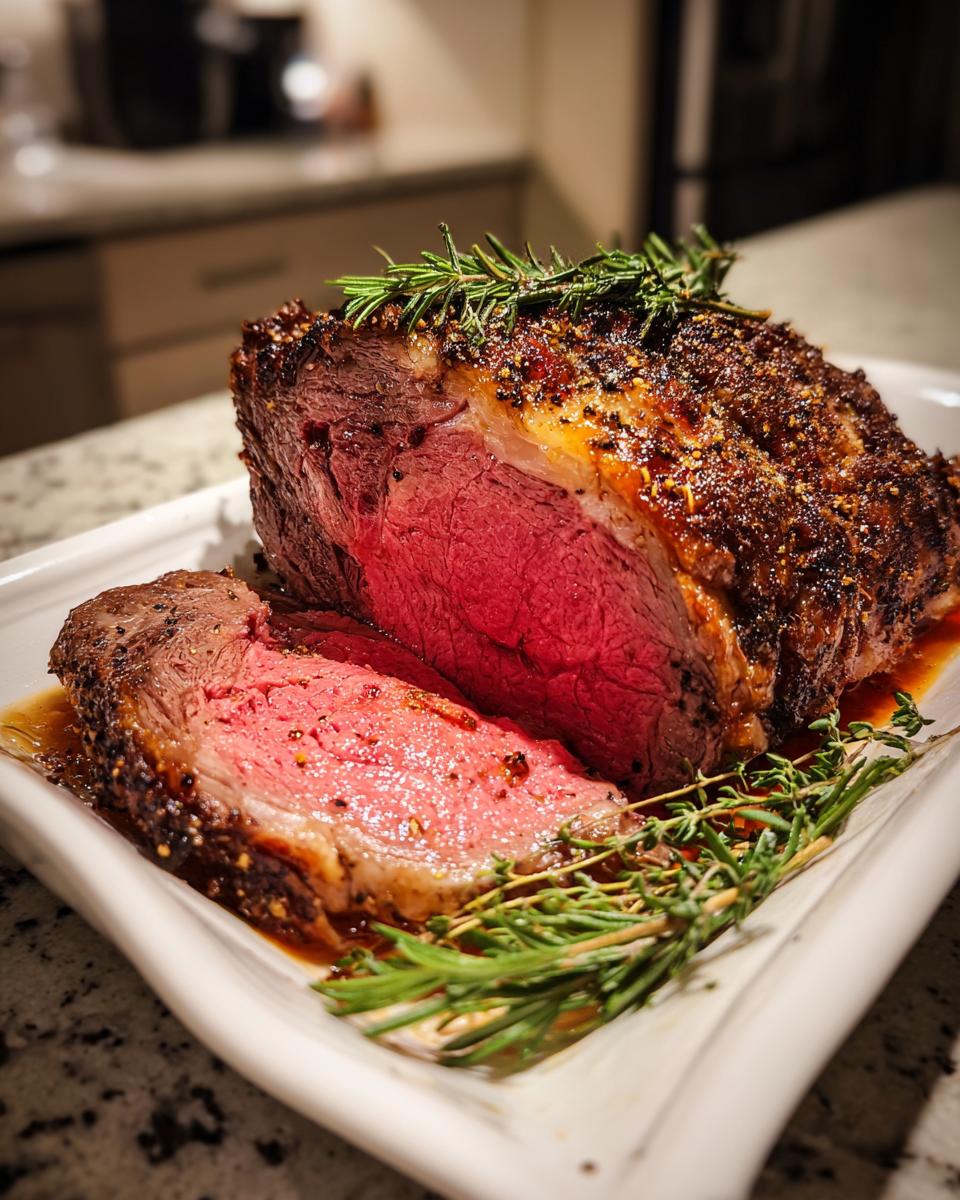
Okay, deep breath – when that thermometer hits the magic number, take it out and… walk away. I know, I know, you want to carve it immediately! But letting it rest for a full 30 minutes is non-negotiable. Those juices need time to redistribute, or they’ll just run all over your cutting board instead of staying in the meat where they belong. Cover it loosely with foil, set a timer, and distract yourself with last-minute table setting. When you finally slice in? Pure, beefy perfection.
Prime Rib Serving Suggestions
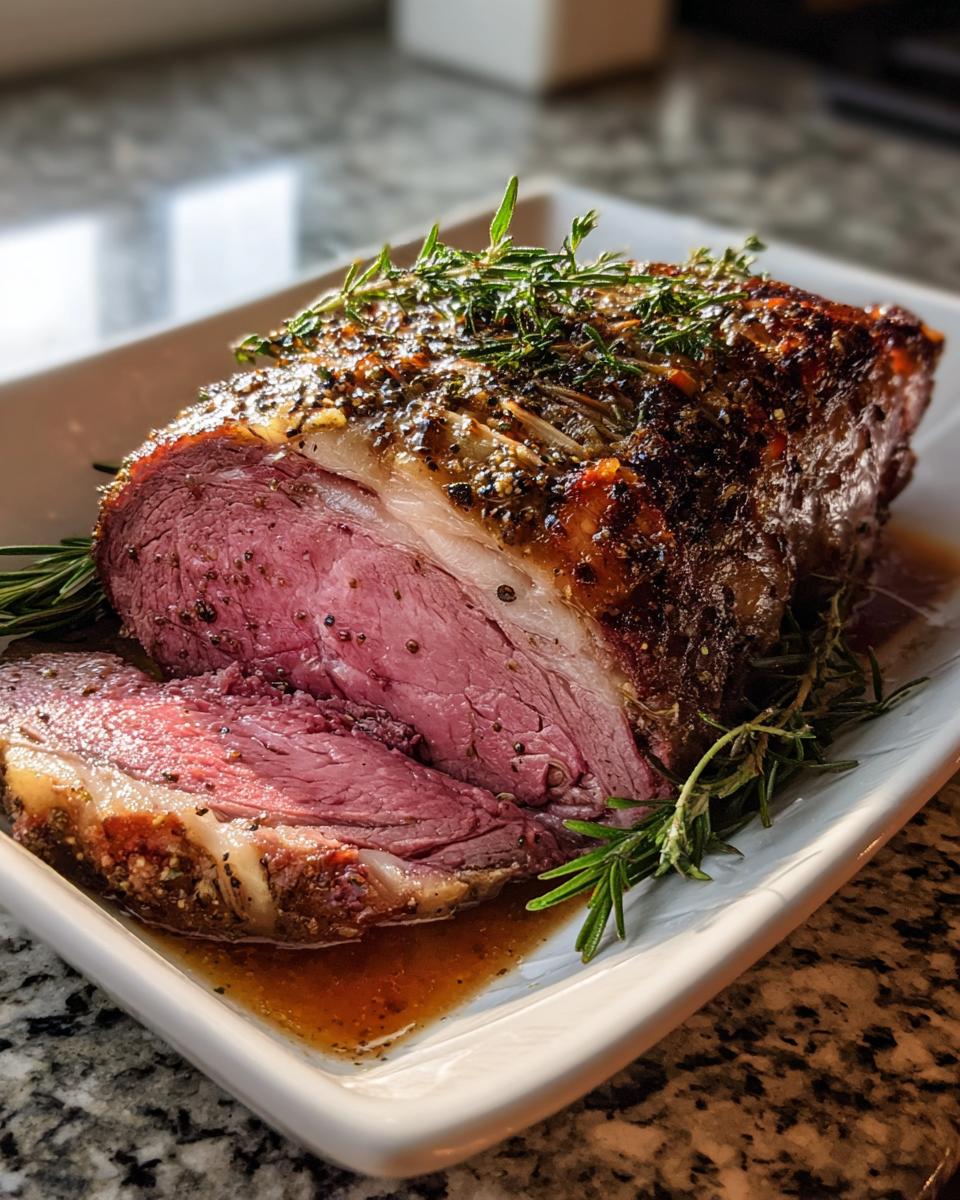
Oh, the joy of serving prime rib! That gorgeous roast deserves equally showstopping sides, and I’ve got some tried-and-true favorites that’ll make your whole meal sing. First up? Creamy mashed potatoes—they’re practically made for soaking up those glorious beef juices. If you’re feeling fancy, toss in some garlic bread for good measure (because who doesn’t want garlic bread with everything?). Don’t forget something green—roasted asparagus or Brussels sprouts add that perfect fresh crunch against the rich meat. And if you really want to impress? Yorkshire puddings (popovers to us Americans) right from the oven make everything feel like a special occasion. Just make sure to slice that prime rib thick—you’ll want big, juicy slabs to savor with every bite!
Prime Rib Tips for Success
After more prime rib roasts than I can count (and a few kitchen disasters I’d rather forget), I’ve learned some game-changing tips that’ll make yours foolproof. First—always go bone-in if you can. That bone isn’t just for show—it acts like nature’s little heat conductor, keeping the meat juicier. My first boneless attempt? Let’s just say it turned into very expensive beef jerky. Second trick: don’t skimp on resting time. I know 30 minutes feels like forever when your kitchen smells amazing, but those juices need time to settle back into the meat. Cut too soon and you’ll literally watch your dinner weep onto the cutting board. And leftovers? Oh honey, day-two prime rib sandwiches on toasted sourdough with horseradish mayo might just outshine the original meal. Pro tip: slice leftovers cold for perfect thin cuts that reheat beautifully in beef broth. You’re welcome!
Prime Rib FAQs
After years of making prime rib (and fielding all my family’s questions while carving), I’ve heard it all! Here are the answers to the questions everyone seems to ask—right when your hands are full of roast beef:
Can I use a boneless prime rib roast?
You can, but honey, those bones are flavor gold! The bone acts like a natural roasting rack, insulating the meat and keeping it juicier. If you must go boneless, look for one with a thick fat cap still attached, and maybe shave 15-20 minutes off the cooking time—it’ll cook faster without the bone. Just promise me you’ll baste it more often!
What’s the absolute best internal temperature for prime rib?
For that perfect rosy-pink medium-rare we all drool over? Pull it at 120°F—it’ll climb to 130°F while resting. If your crew prefers medium, aim for 130°F (it’ll hit 140°F). Anything beyond that and…well, let’s just say we can’t be friends. I check this doneness guide whenever I need a visual refresher!
How do I reheat leftovers without drying them out?
Low and slow is the secret! I slice leftovers cold, then warm them submerged in beef broth (just enough to cover) at 250°F until heated through—about 20 minutes. The broth keeps them juicy, and you get bonus au jus for dipping! Pile those warm slices on crusty bread with horseradish sauce for the best lunch ever.
My roast is smaller/larger—how do I adjust cooking time?
Figure about 15 minutes per pound at 325°F after that initial 15-minute blast at 450°F. But (big but!) always use your thermometer—ovens vary wildly. My 4-pounder might be done in 1 hour 15 minutes, while my sister’s 8-pounder takes 2+ hours. The temp doesn’t lie!
Prime Rib Nutrition Information
Okay, let’s talk numbers – because even though prime rib tastes like pure indulgence, it’s actually packed with good protein! A typical 6-ounce serving of this beautiful roast comes in around 450 calories, with 32g of fat (12g of that being the delicious saturated kind) and a whopping 40g of protein to keep you full. Now, I’m no dietitian, but I do know these numbers can vary based on your exact cut size and how much of that heavenly fat cap you leave on. The values here are estimates – your mileage may vary depending on how you trim it and whether you go back for seconds (don’t look at me, I always do!). One thing’s for sure – every savory bite is worth it!
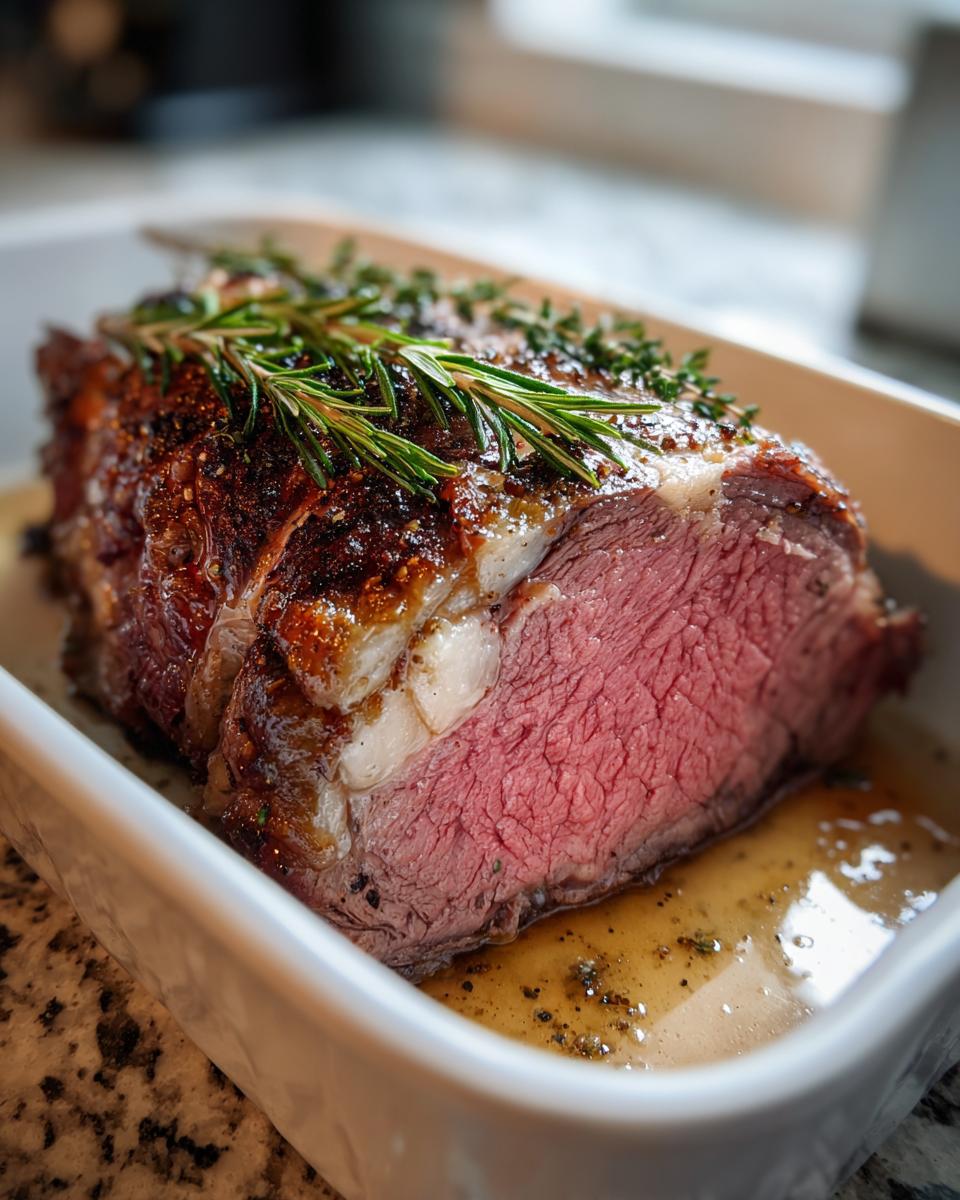
Share Your Prime Rib Experience
Did your prime rib turn out as dreamy as you hoped? I’d love to hear about it—leave a comment below with your masterpiece (or funny kitchen mishaps—we’ve all been there!). Snap a photo if you can, because that golden crust deserves to be shown off! And if this recipe made your holiday or special dinner extra delicious, go ahead and rate it—your notes help other home cooks dive in with confidence. Now dig in and enjoy every juicy bite—you’ve earned it!
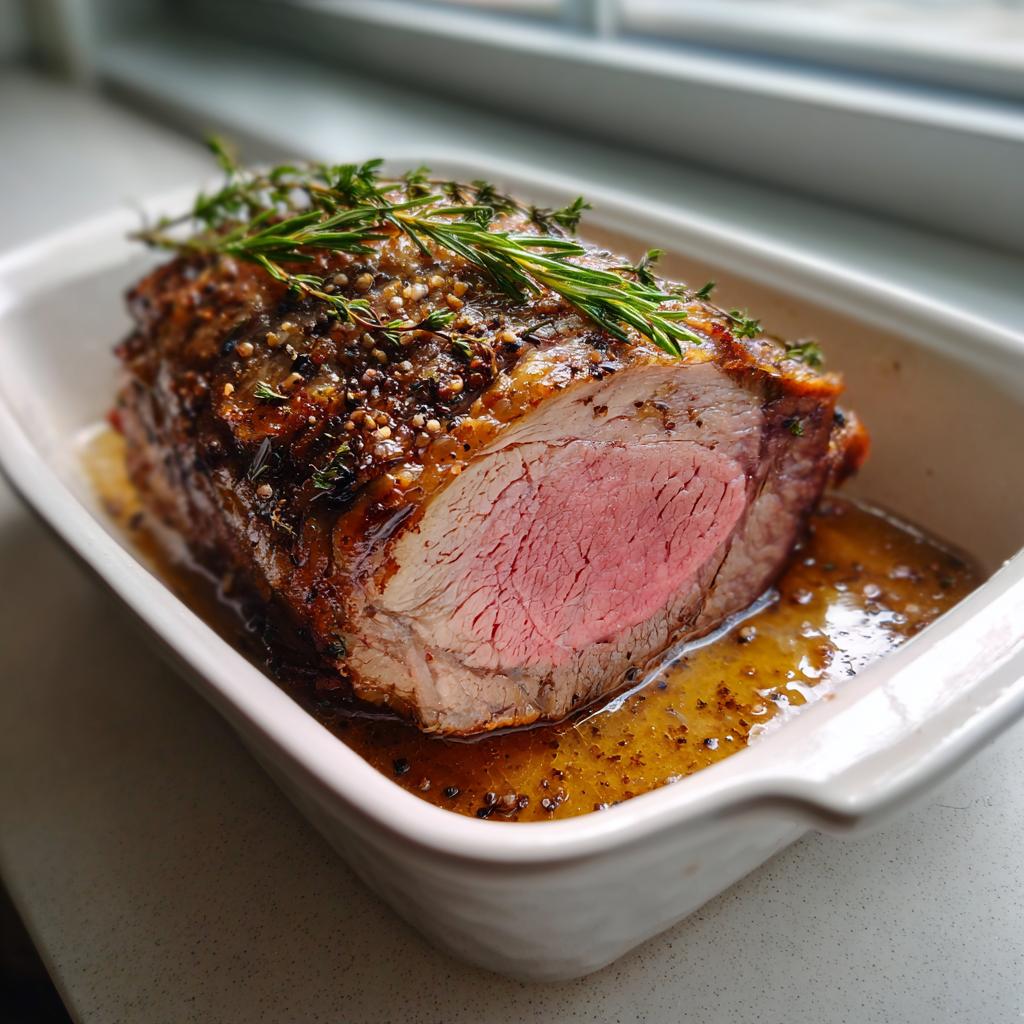
Ingredients
Equipment
Method
- Preheat your oven to 450°F (230°C).
- Rub the prime rib with olive oil, then coat evenly with salt, pepper, garlic powder, rosemary, and thyme.
- Place the roast bone-side down in a roasting pan.
- Roast for 15 minutes, then reduce the oven temperature to 325°F (165°C). Continue roasting until the internal temperature reaches 120°F (49°C) for medium-rare, about 1.5 to 2 hours.
- Remove from the oven and let rest for 30 minutes before slicing.