

Nothing transforms those post-holiday leftovers into something magical quite like this turkey vegetable soup. It’s become my family’s ritual – that comforting pot bubbling away on the stove while we recover from Thanksgiving madness. My grandma always called it “clean-out-the-fridge soup,” but honestly, I crave it so much that sometimes I roast an extra turkey breast just to make this. The way the broth soaks up all those turkey flavors, mingling with fresh carrots and celery… it’s pure comfort in a bowl. Trust me, this isn’t one of those “Oh, guess we should use up the turkey” recipes – people at my table fight over seconds!
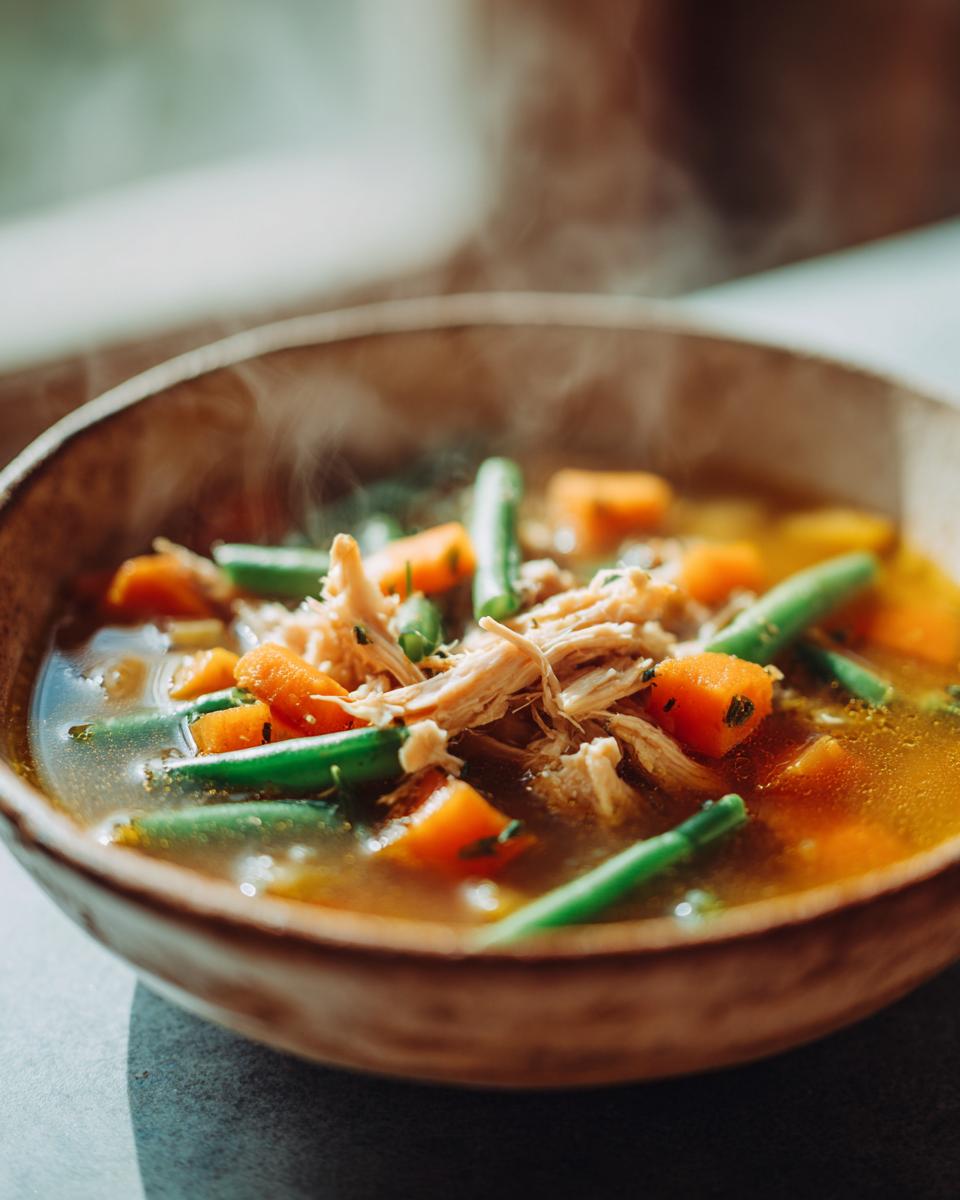
Why You’ll Love This Turkey Vegetable Soup
Look, I know what you’re thinking – “Just another turkey soup recipe.” But listen to me, this one’s different. After years of testing (and a few failed attempts that my dog happily ate), this recipe hits all the right notes. Here’s why:
- Quick & Easy – 45 minutes from chopping to slurping! Perfect for those “I’m too tired to cook” days.
- Leftover Magic – Turns dried-out turkey into something your family will actually beg for.
- Hearty Comfort – The kind of soup that hugs you from the inside when it’s cold outside.
- Flexible – Forgotten to buy celery? No problem! Throw in whatever veggies you’ve got.
- Better-Overnight Flavor – I swear the leftovers taste even better the next day, if it lasts that long!
Seriously, this soup saved me during three Thanksgivings in a row when my mother-in-law “accidentally” overcooked the turkey. Now it’s my secret weapon!
Ingredients for Turkey Vegetable Soup
Okay, let’s talk ingredients! Now, I’ll be honest – I’ve made this soup with all sorts of random fridge finds when desperate, but this is my tried-and-true lineup. The measurements are flexible (I’m not the measuring cup police), but these proportions give you that perfect balance of broth to veggies to turkey. Here’s what you’ll need:
- For the Base:
- 2 tbsp olive oil (the good stuff – it makes a difference!)
- 1 onion, diced (yellow works best, but use what you’ve got)
- 2 carrots, diced (don’t you dare use those baby carrots – peel and chop real ones!)
- 2 stalks celery, diced (leaves and all – that’s where the flavor hides)
- 3 cloves garlic, minced (or more… I won’t tell)
- The Good Stuff:
- 4 cups turkey broth (homemade if you’re fancy, boxed if you’re human – chicken broth works too in a pinch)
- 2 cups cooked turkey, shredded (dark meat gives more flavor, but use whatever leftovers you’ve got)
- 1 cup green beans, chopped (fresh or frozen – no judgment here)
- Seasoning Magic:
- 1 tsp dried thyme (rub it between your fingers first – releases the oils)
- 1 tsp salt (start with this, then taste – broths vary in saltiness)
- ½ tsp black pepper (freshly ground if you can)
See? Nothing crazy or hard-to-find. The beauty of this soup is how simple ingredients transform into something spectacular. Now grab your biggest pot – we’re about to make some magic!
How to Make Turkey Vegetable Soup
Alright, let’s get cooking! I promise this is easier than wrestling with holiday leftovers. Just follow these simple steps, and you’ll have a pot of comfort ready in no time. The key is layering flavors – we’re not just dumping everything in at once (though I’ve been guilty of that on lazy days). Here’s how to do it right:
Step 1: Sauté the Vegetables
First, grab your biggest pot – the one you usually avoid washing because it’s so huge. Heat the olive oil over medium heat until it shimmers (about 30 seconds). Now toss in those diced onions, carrots, and celery. This is where the magic starts! Stir them around until the onions turn translucent and the carrots just begin to soften – about 5 minutes. Don’t rush this step! That slow cooking builds the flavor base. When you can smell the veggies (oh, that sweet onion scent!), add the garlic and cook for just 1 minute more – until it’s fragrant but not browned.
Step 2: Add Broth and Turkey
Now pour in that glorious turkey broth (or chicken broth if that’s what you’ve got). Crank the heat up to high and let it come to a rolling boil – you’ll see big bubbles breaking the surface. This is when you add your shredded turkey and green beans. Pro tip: If your turkey is in big chunks, take two forks and shred it right in the pot – no extra dishes! The broth should cover everything nicely. If it looks too thick, add a splash more broth or water.
Step 3: Simmer and Season
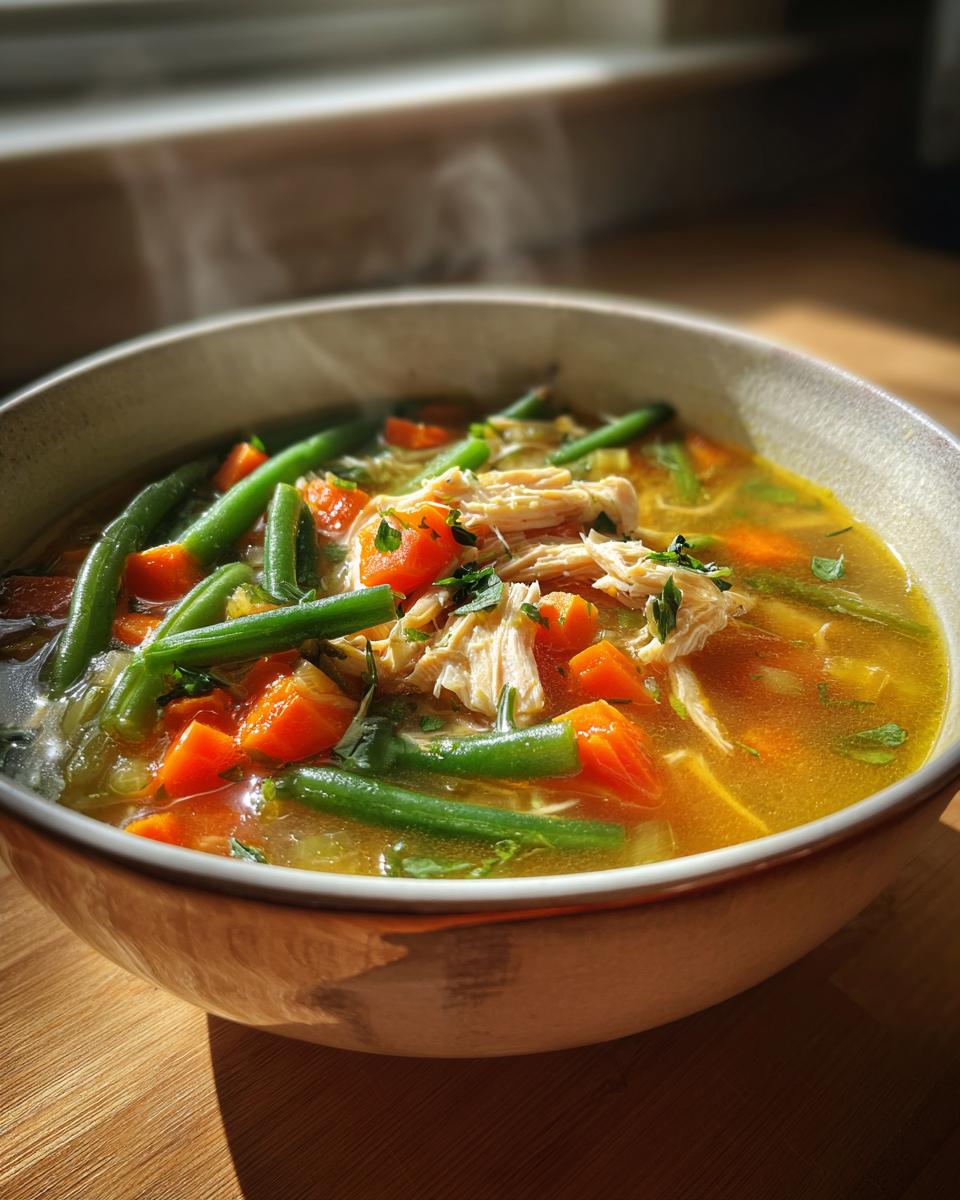
Once everything’s boiling, reduce the heat to low so it’s just barely bubbling. Now’s the time for thyme, salt, and pepper. Stir gently, then walk away for 20 minutes – set a timer! This simmering time lets all the flavors get to know each other. When the timer dings, taste and adjust. Needs more salt? Add a pinch. Want more zing? Crack in extra pepper. The soup should be fragrant, with tender veggies and turkey that’s soaked up all that delicious broth. Serve it piping hot – and try not to burn your tongue like I always do!
Tips for the Best Turkey Vegetable Soup
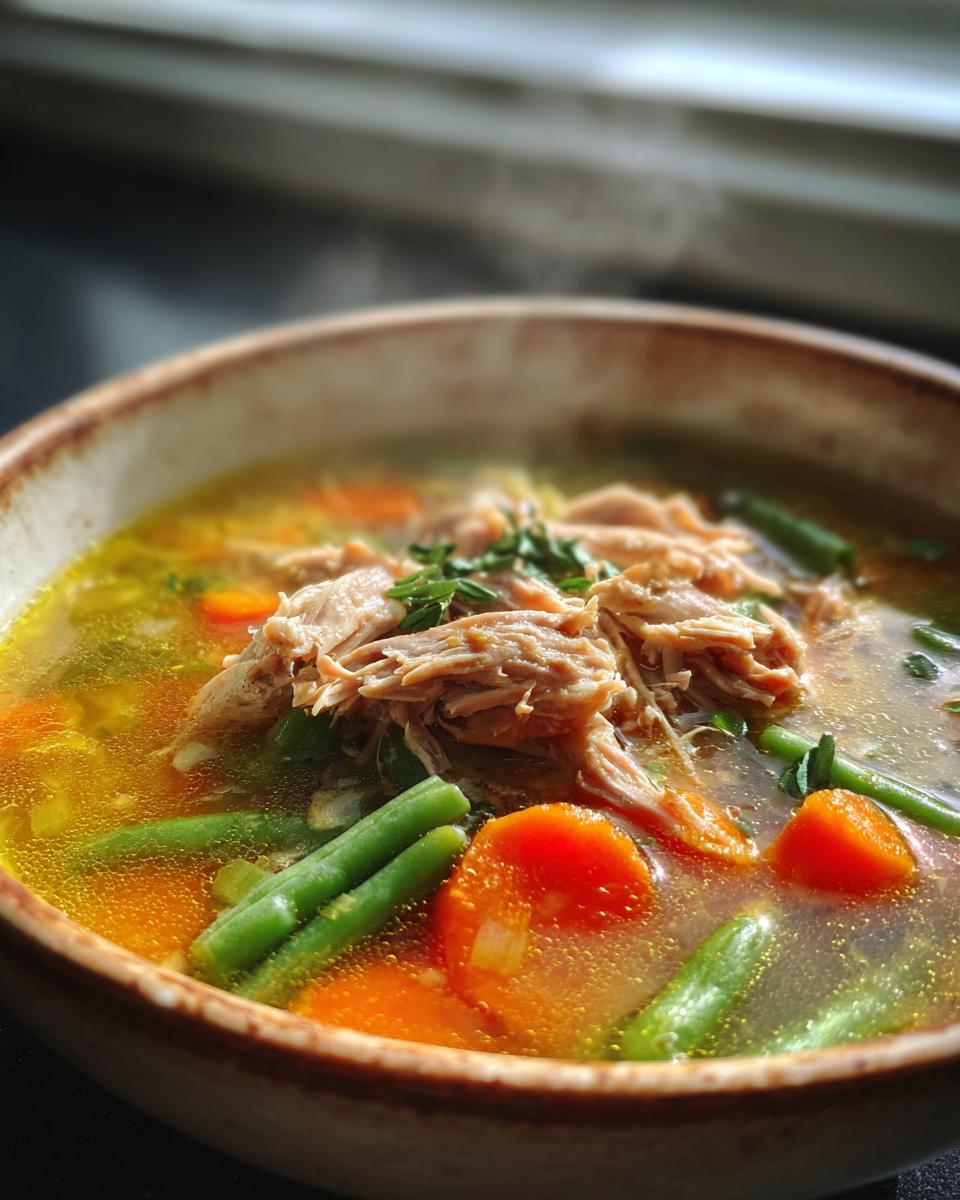
Listen, I’ve made this soup more times than I can count, and here are my hard-earned secrets for making it absolutely perfect every single time:
- Homemade broth is king – If you’ve got turkey bones from your roast, simmer them with onion, carrot, and celery for a few hours. The flavor difference is insane! But hey, boxed broth works fine too – I won’t tell grandma.
- Fresh herbs make all the difference – That dried thyme is good, but toss in some fresh parsley or rosemary at the end if you’ve got it. Just tear it with your hands – no need to dirty a cutting board.
- Don’t overcook the veggies – They should still have a little bite when you turn off the heat. They’ll keep cooking in the hot broth, and nobody likes mushy carrots!
- Taste as you go – Broths vary in saltiness, so start with less salt and add more at the end if needed. I always forget this and end up with salty soup – learn from my mistakes!
- Let it rest – If you can wait 10 minutes after cooking (good luck!), the flavors marry beautifully. I call this the “magic waiting period” – but honestly, I usually skip it because I’m too hungry.
Oh, and here’s my biggest tip: double the recipe! This soup freezes beautifully, and you’ll thank yourself on those lazy winter nights when cooking feels impossible.
Variations of Turkey Vegetable Soup
Okay, here’s where we get creative! My turkey vegetable soup is like a blank canvas – you can jazz it up a million ways depending on what’s in your fridge or what mood strikes you. Here are some of my favorite twists:
- Italian Night: Swap thyme for oregano and basil, throw in some cannellini beans, and finish with a sprinkle of parmesan. Bellissimo!
- Spicy Kick: Add a diced jalapeño with the onions and finish with a squeeze of lime. My husband calls this “wake-up soup”!
- Winter Warmer: Toss in cubed butternut squash and swap the green beans for kale. Bonus points if you add a pinch of nutmeg.
- Greek Style: Stir in some chopped spinach at the end, then top with feta and a drizzle of olive oil. Opa!
The best part? No matter how you tweak it, it’s still that same comforting bowl of goodness at its core. Don’t be afraid to play around – some of my best versions came from happy accidents (like that time I accidentally dumped in half a jar of pesto… turned out amazing!).
Serving Suggestions for Turkey Vegetable Soup
Now, let’s talk about how to serve this glorious soup! Sure, you could eat it straight from the pot (no judgment – I’ve done it), but let me tell you how to turn it into a proper meal that’ll impress even your pickiest eater. Here are my go-to pairings:
- Crusty Bread: A must! Whether it’s a garlicky loaf or just a simple baguette, you need something to soak up that incredible broth. Pro tip: Toast it with a little butter and rub a garlic clove on top – game changer!
- Fresh Salad: A crisp green salad cuts through the richness perfectly. My favorite? Just mixed greens with lemon vinaigrette – simple but magical.
- Grilled Cheese: For the ultimate comfort meal, make mini grilled cheeses to dunk. My kids call this “soup’s best friend.”
- Pickled Veggies: A tangy bite of pickles or giardiniera adds the perfect contrast. Trust me on this one!

And here’s my secret move: set out bowls of grated parmesan, chopped fresh herbs, and red pepper flakes so everyone can customize their bowl. It makes dinner feel fancy with zero extra work – my kind of hosting!
Storage and Reheating Instructions
Listen, I know the idea of having leftovers of this soup is laughable – in my house, we practically lick the pot clean! But just in case you manage to save some (or smartly doubled the recipe), here’s how to keep that turkey vegetable soup tasting fresh:
Storing: Let the soup cool completely (I know, patience is hard). Pour into airtight containers – glass jars work great if you’ve got them. It’ll keep in the fridge for 3-4 days, or freeze for up to 3 months. Pro tip: Freeze in individual portions for quick lunches!
Reheating: Thaw frozen soup overnight in the fridge if possible. When ready, warm it gently on the stove over medium-low heat, stirring occasionally. If it’s too thick, add a splash of broth or water. Microwave works too – just cover with a damp paper towel and stir every minute to prevent explosions (learned that the messy way!).
Fun fact: The flavors actually improve after a day in the fridge – the turkey soaks up all those delicious broth flavors. So don’t be afraid to make this ahead for meal prep!
Nutritional Information
Now, I’m no nutritionist (just a soup-obsessed home cook!), but here’s the general scoop on what’s in this turkey vegetable soup. Keep in mind that exact numbers can vary based on your specific ingredients – like how salty your broth is or whether you go heavy on the turkey. This is hearty comfort food that happens to be packed with protein and veggies, so I call that a win! As always, check labels if you’re tracking closely.
Frequently Asked Questions
Can I freeze this turkey vegetable soup?
Absolutely! In fact, I always make extra just for freezing. Let it cool completely, then pour into freezer-safe containers (leave about an inch of space at the top for expansion). It keeps beautifully for up to 3 months. When you’re ready to eat, thaw overnight in the fridge and reheat gently on the stove. The veggies might soften a bit, but the flavor just gets better!
Can I use chicken instead of turkey?
You bet! This recipe started as a way to use up Thanksgiving leftovers, but it works just as well with chicken. Rotisserie chicken is my go-to shortcut – just shred it up and toss it in. The cooking time stays the same, and honestly, most people can’t tell the difference. It’s all about that cozy, comforting vibe!
My soup turned out too salty – how can I fix it?
Oops, been there! First, try adding a peeled, raw potato to the pot and simmer for 10-15 minutes – it’ll absorb some salt. No potato? Add a splash of vinegar or lemon juice to balance it out. Next time, go easy on the salt until the end – broths vary wildly in saltiness. My grandma’s trick? She always used low-sodium broth so she could control the seasoning.
What other vegetables can I add?
Get creative! I’ve thrown in everything from zucchini to corn to kale. Just remember: hard veggies (like potatoes) need longer cooking, so add them with the carrots. Leafy greens? Toss them in during the last 5 minutes. Frozen peas are my secret weapon – they add sweetness and color with zero prep. The only veggie I’d avoid is eggplant – it turns the broth muddy. Otherwise, go wild!
Can I make this in a slow cooker?
Yes, and it’s perfect for busy days! Sauté the veggies first (trust me, this step matters), then dump everything into the slow cooker. Cook on low for 6-7 hours or high for 3-4. The turkey will be fall-apart tender! Just add delicate veggies like peas or spinach in the last 30 minutes. My slow cooker version has saved many a hectic weeknight – just set it and forget it!
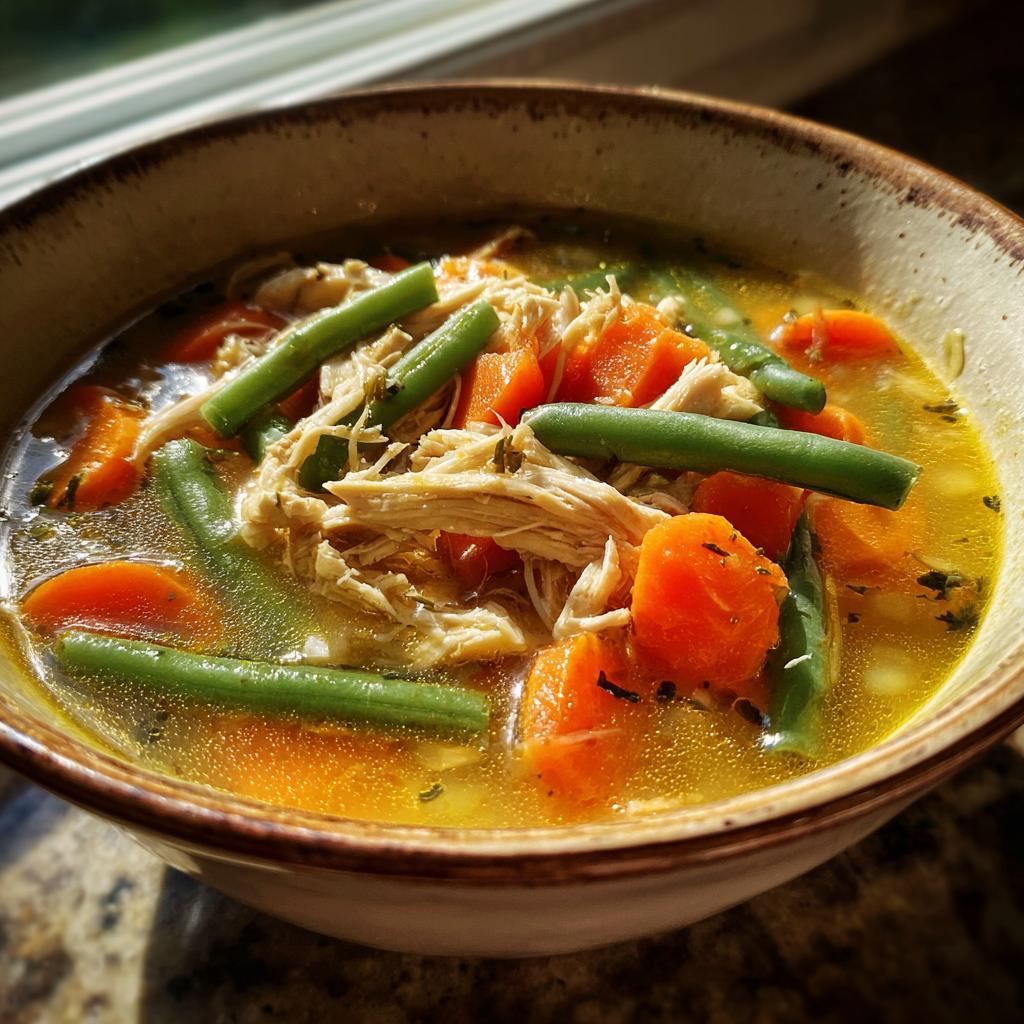
Turkey Vegetable Soup
Ingredients
Equipment
Method
- Heat olive oil in a large pot over medium heat.
- Add onion, carrots, and celery. Cook for 5 minutes until softened.
- Add garlic and cook for 1 minute until fragrant.
- Pour in turkey broth and bring to a boil.
- Add shredded turkey, green beans, thyme, salt, and pepper. Reduce heat and simmer for 20 minutes.
- Adjust seasoning if needed and serve hot.