
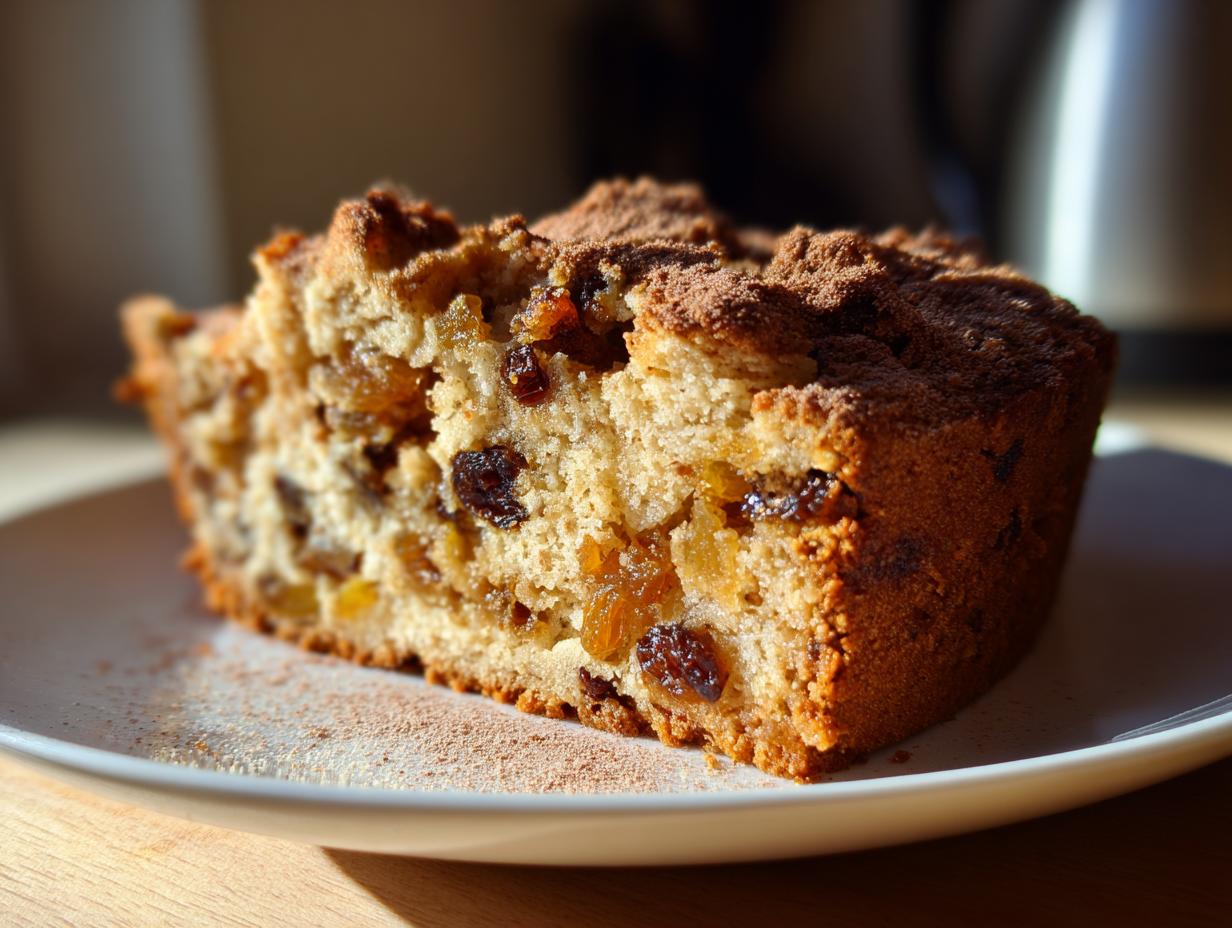
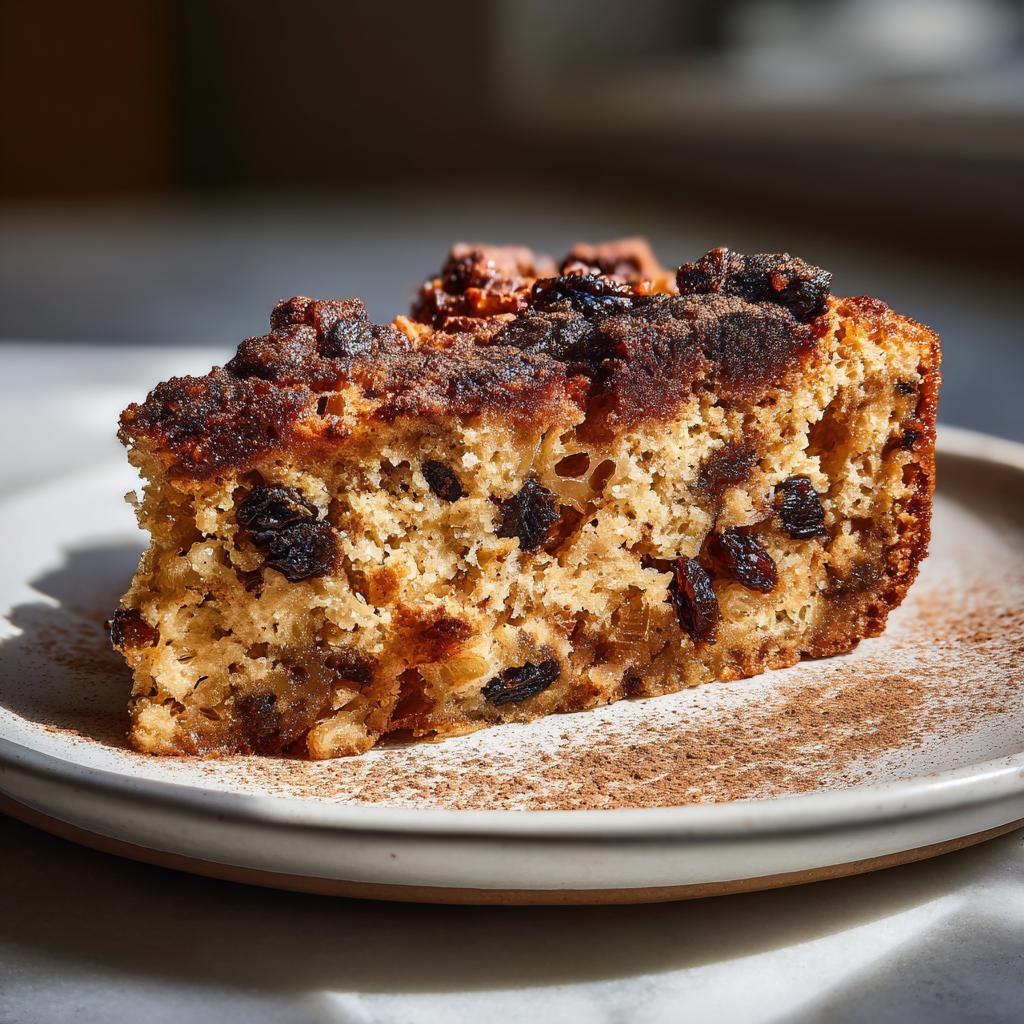
Nothing says Easter like gathering around the table with loved ones, sharing stories and indulging in sweet treats. For me, Easter pudding desserts are the heart of these celebrations—warm, spiced, and brimming with nostalgia. This classic British pudding has been a staple in my family for generations. I can still picture my grandmother carefully steaming it in her old copper mold, the kitchen filling with the heavenly scent of cinnamon and plump raisins. It’s the kind of dessert that hugs you from the inside, perfect for those chilly spring evenings. If you’re looking for a comforting, traditional treat to anchor your holiday spread, you’ve found it. And trust me, once you try this recipe, it’ll become your Easter tradition too. For more festive inspiration, check out our simple Easter dessert ideas to round out your menu.

Why You’ll Love These Easter Pudding Desserts
Oh, where do I even start? This Easter pudding is pure comfort in a bowl—the kind of dessert that makes everyone gather around the kitchen, spoons in hand, waiting for that first steamy bite. Here’s why it’s an absolute must for your holiday table:
- Warm, spiced magic: Plump raisins and currants mix with cinnamon and mixed spice for that nostalgic, cozy flavor that feels like a hug from Grandma.
- Steamed to perfection: No dry, crumbly mess here! The slow steam gives it an irresistibly moist, pudding-like texture—fork-tender every time.
- Make-ahead ease: Whip it up in the morning (or even the night before!) so you’re not stuck in the kitchen when guests arrive. Easter miracles do exist.
- Versatile crowd-pleaser: Serve it with custard, cream, or even a scoop of vanilla ice cream. Leftovers? (As if!) But they’re just as good the next day.
Honestly, it’s not Easter in my house without this pudding. The first bite takes me straight back to childhood—sticky fingers, laughter, and that unforgettable aroma filling the house. Try it once, and you’ll be hooked.
Ingredients for Easter Pudding Desserts
This isn’t one of those fussy desserts with a million ingredients—just simple, honest pantry staples that come together into something magical. But here’s the thing: every single one matters, especially when you’re working with traditional recipes like this. These are the building blocks I’ve used for years, and trust me, they’re worth tracking down (even if it means hunting for that shredded suet at the specialty grocery store!).
For the Pudding:
- 1 cup fresh breadcrumbs (no cheating with the dry stuff—we want moisture here!)
- 1/2 cup sugar (I like golden caster for extra caramel notes, but plain white works too)
- 1/2 cup raisins (soak ’em in warm tea for 10 minutes if they’re looking dry)
- 1/2 cup currants (those tiny, tart bursts make all the difference)
- 1 tsp mixed spice (it’s the British blend of cinnamon, nutmeg, and allspice—essential!)
- 1 tsp cinnamon (because you can never have too much cozy warmth)
- 1/2 cup shredded suet (vegetarians, swap in grated frozen butter—works like a charm)
- 2 eggs, beaten (room temp, please—they mix in smoother)
- 1/4 cup milk (whole is best, but whatever you’ve got will do)
See? Nothing fancy, just good old-fashioned ingredients that have stood the test of time. And can I let you in on a secret? The better quality your raisins and spices, the more your pudding will taste like it came from a posh British tearoom. Worth every penny, I promise.
How to Make Easter Pudding Desserts
Alright, let’s get to the fun part—making this glorious Easter pudding! Don’t let the steaming part intimidate you; it’s easier than you think. Just follow these steps, and you’ll have a showstopper dessert that’ll have everyone asking for seconds (and the recipe).
- Mix the dry ingredients first: Grab your biggest mixing bowl (trust me, you’ll need the space) and toss in the breadcrumbs, sugar, raisins, currants, mixed spice, and cinnamon. Give it all a good stir with a wooden spoon—I like to pretend I’m mixing potions like a proper kitchen witch.
- Add the suet: Sprinkle that shredded suet over the top and mix it in. If you’re using butter instead, make sure it’s cold when you grate it—warm hands make melty messes!
- Bring it together with wet ingredients: Make a little well in the center and pour in the beaten eggs and milk. Now, roll up your sleeves and mix until everything’s evenly combined. The texture should be like a sticky, dense cake batter—if it looks too dry, add a splash more milk.
- Prep your mold: Grease your pudding mold REALLY well (butter or baking spray both work). Spoon in the mixture and press it down gently to avoid air pockets. Top with a circle of parchment paper, then seal tightly with foil—I like to tie kitchen string around the rim for extra security against sneaky steam.
- Steam away: Place the mold in your steamer or a large pot with a trivet (see my pro tip below!). Pour in boiling water until it comes halfway up the sides of the mold. Cover and let it steam for 30 minutes—no peeking! The steam needs to work its magic.
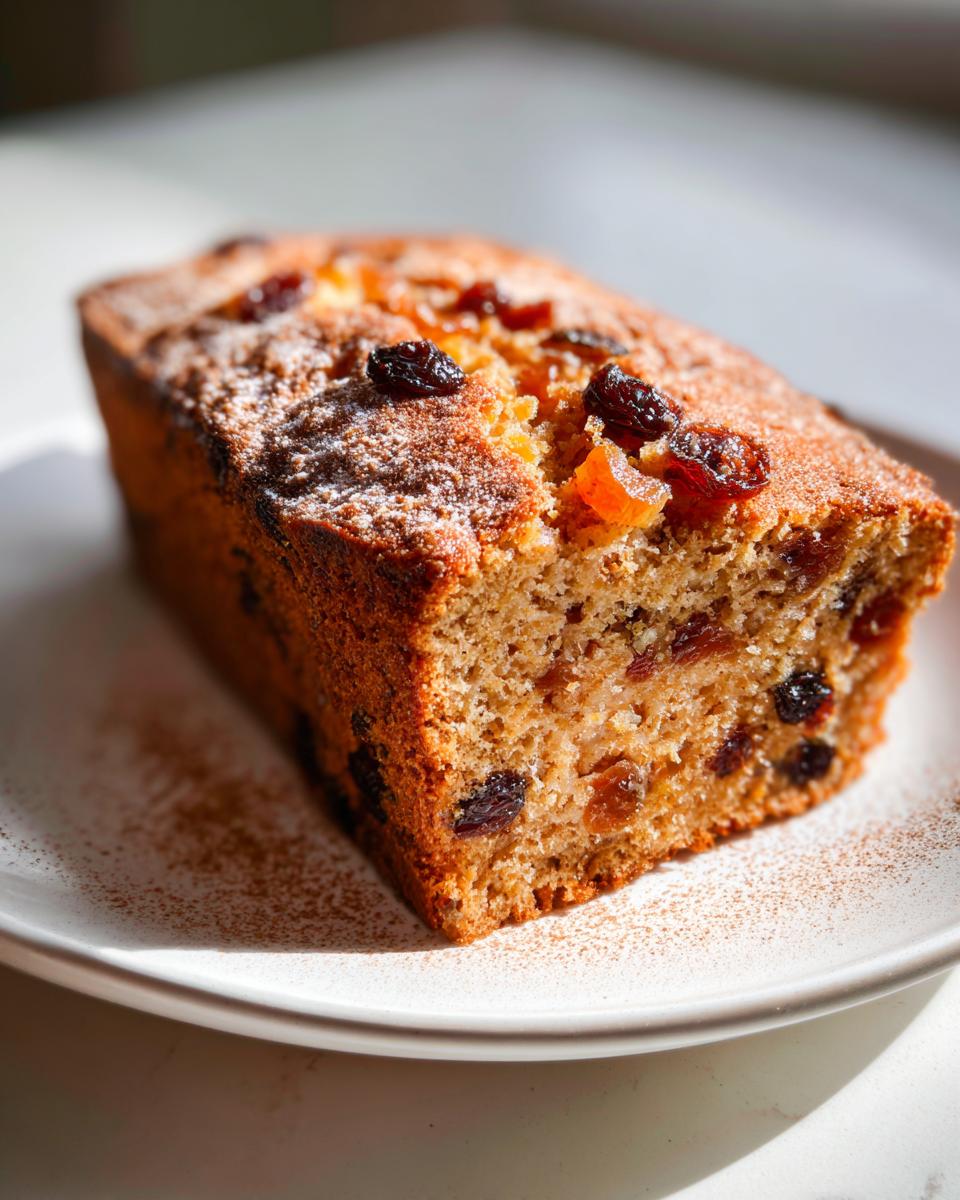
- The grand reveal: Carefully lift out the mold (oven mitts are your friend here) and let it sit for 5 minutes before turning it out onto a plate. That first whiff of spiced fruit? Pure heaven.
Pro Tip for Perfect Steaming
Here’s my little secret: always use a trivet or folded tea towel under your pudding mold in the pot. It keeps the bottom from getting too hot and ensures even cooking. No trivet? Crumple up some foil into a ring—it works just as well! And remember: keep that water at a gentle simmer, not a rolling boil. Too much steam pressure can make the pudding tough.
Serving Suggestions for Easter Pudding Desserts
Now comes the best part—dressing up your Easter pudding to make it shine! This humble dessert transforms into something spectacular with just a few simple touches. My absolute favorite? A generous pour of warm vanilla custard—it seeps into every nook and cranny, turning each bite into pure comfort. If you’re feeling fancy, try homemade whipped cream with a hint of orange zest (trust me, it’s a game-changer). And for those extra-special occasions, I’ll drizzle caramel sauce over the top and sprinkle with toasted almonds—because why not make Easter feel like a celebration?
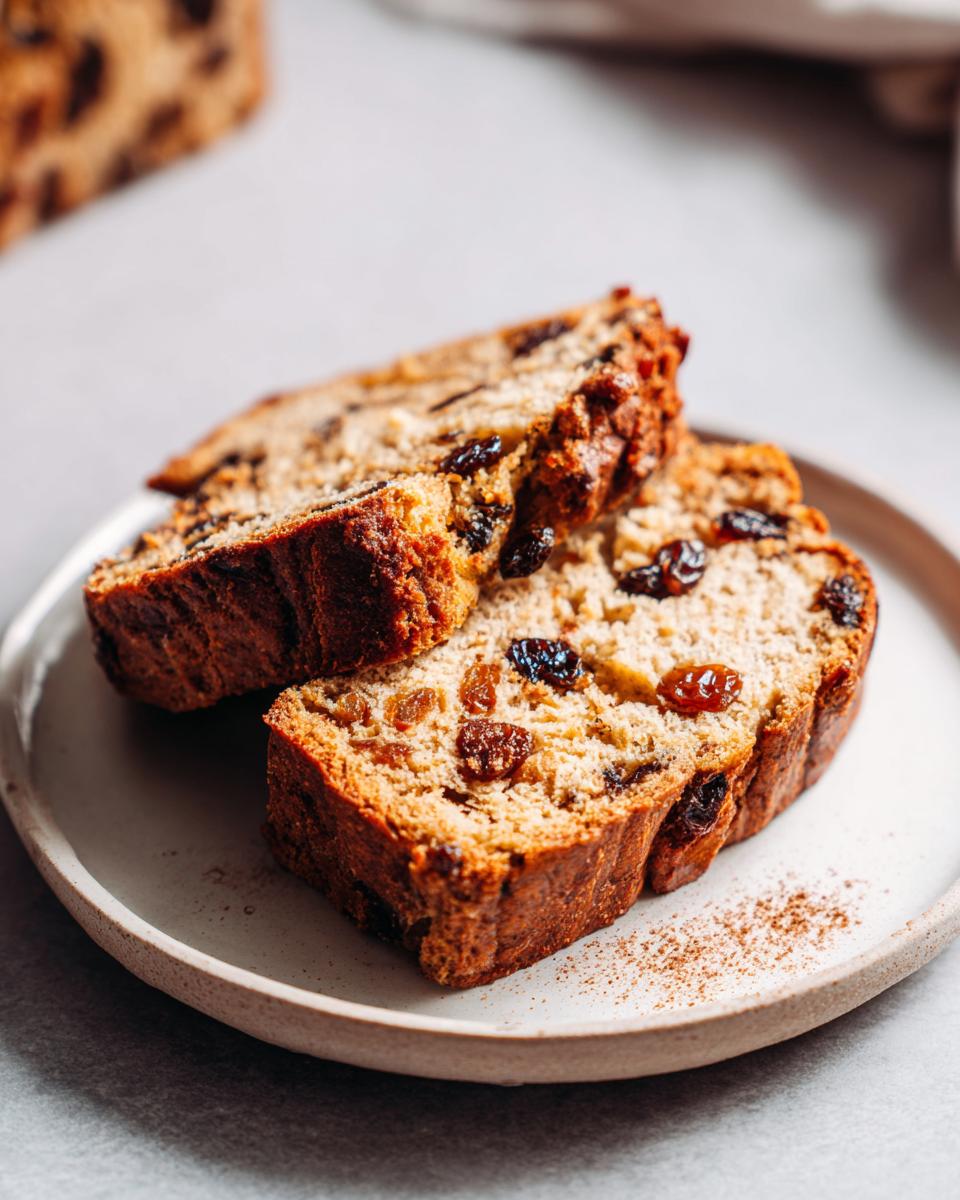
Want to round out your holiday spread? Pair this pudding with our festive Easter brunch ideas for a meal that’ll have everyone lingering at the table. Pro tip: serve leftovers (ha, as if!) cold the next day with a dollop of clotted cream—it’s like a whole new dessert!
Storage and Reheating Tips
Okay, confession time—I rarely have leftovers of this Easter pudding (it’s that good!), but when I do, here’s how I keep it tasting fresh. First, let it cool completely, then wrap it tightly in cling film or pop it in an airtight container. It’ll keep in the fridge for up to 3 days, though I doubt it’ll last that long! To reheat, I usually steam it for 10-15 minutes—just like the original cooking method—to bring back that perfect moist texture. In a pinch? The microwave works too! Just cover a slice with a damp paper towel and zap it for 20-30 seconds. And yes, you can freeze it! Wrap individual portions in foil, then bag them up. They’ll keep for a month—thaw overnight in the fridge before reheating. Easy peasy!
Easter Pudding Desserts FAQ
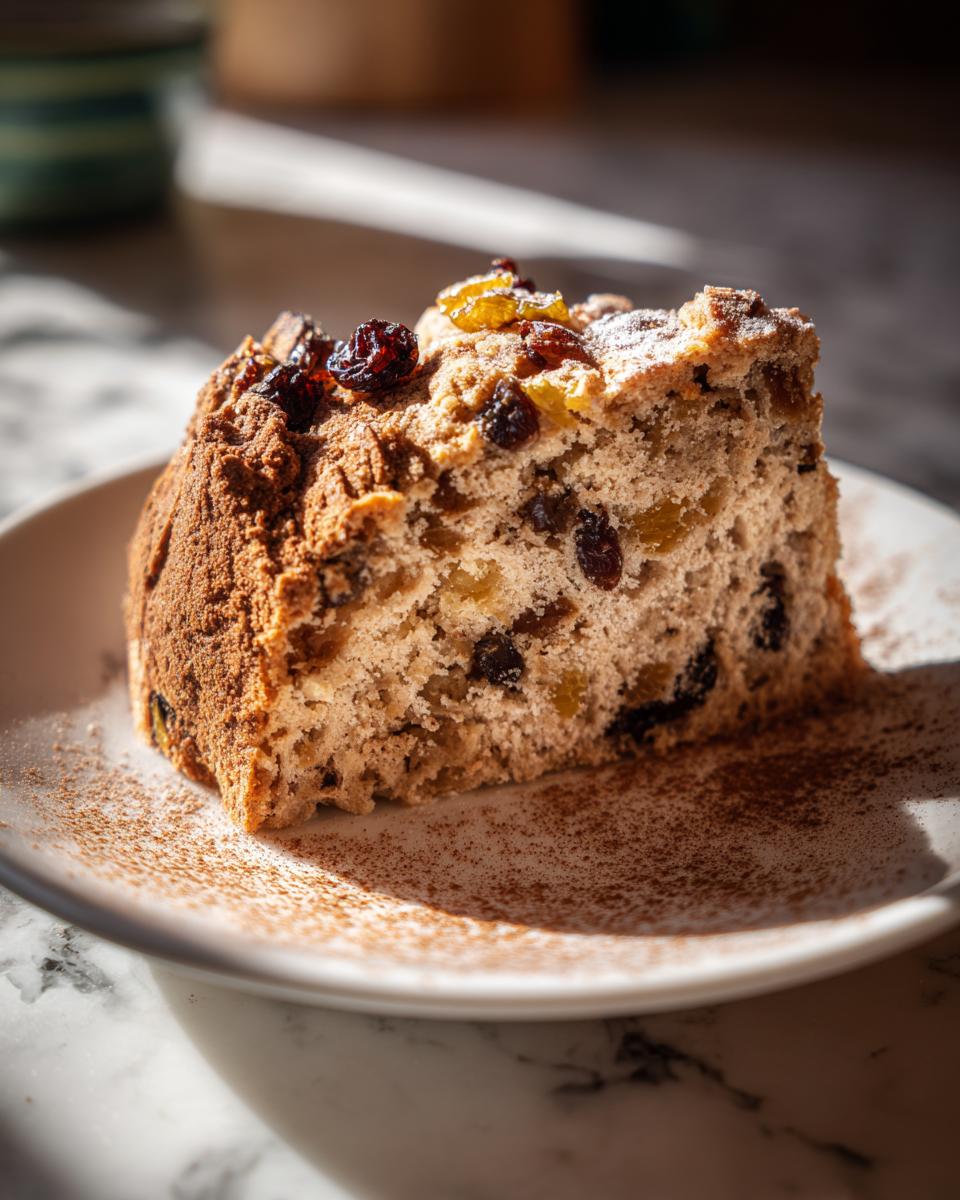
I get asked about this Easter pudding all the time—it’s amazing how many little tricks and substitutions can make or break this classic dessert! Here are the questions that pop up most often in my kitchen (and my honest answers after years of trial and error).
Can I use dried cranberries instead of raisins?
Absolutely! I love tossing in cranberries around the holidays—their tartness cuts through the sweetness beautifully. Just chop them roughly so they distribute evenly. Pro tip: soak them in orange juice first to plump them up like the raisins. You could even do half raisins, half cranberries for the best of both worlds!
How do I know when the pudding is fully steamed?
Ah, the eternal question! Here’s my foolproof test: insert a skewer near the center—if it comes out clean (maybe with a few sticky crumbs, but no wet batter), you’re golden. The pudding should also pull away slightly from the edges of the mold. And trust your nose—when that spicy, fruity aroma fills your kitchen, it’s usually done!
Is there a vegetarian suet substitute?
Yes, and it works like a charm! I’ve had great results with grated frozen butter (just measure it packed like the suet). Some folks use vegetable shortening, but butter gives you that rich flavor we’re after. If you’re feeling fancy, try a mix of butter and coconut oil for extra moisture.
Can I make this pudding ahead of time?
Oh honey, this pudding practically begs to be made ahead! It actually tastes better the next day as the flavors meld. Just steam it as usual, let it cool, then wrap tightly and refrigerate. On the big day, re-steam for 15 minutes—good as new! Some say it keeps for up to 3 days, but in my house? Never lasts that long.
My pudding came out dense—what went wrong?
First, don’t panic—dense isn’t always bad with steamed puddings! But if it’s brick-like, you probably overmixed the batter (stop as soon as it comes together) or didn’t steam it long enough. Also check your breadcrumbs—stale ones absorb too much moisture. Next time, try fluffing them with a fork before measuring. You’ll get that perfect tender crumb!
Nutritional Information
Now, let’s talk numbers—because even though this Easter pudding tastes like pure indulgence, it’s nice to know what you’re biting into! (Not that it stops me from going back for seconds…) Keep in mind these are rough estimates—your exact numbers will dance around depending on your raisins’ plumpness, suet brand, and whether you sneak that extra drizzle of custard I won’t tell anyone about.
Per hearty serving (because let’s be real, who stops at a tiny slice?):
- Calories: Around 250 (worth every one!)
- Carbs: 45g (mostly from those glorious dried fruits)
- Protein: 4g (eggs and milk doing their thing)
- Fat: 8g (thank the suet for that luxurious texture)
Remember, these values shift if you use butter instead of suet or swap different dried fruits. But honestly? When it comes to holiday desserts, I say savor each bite and worry about numbers later—that’s what New Year’s resolutions are for!
More Easter Recipes to Try
If you loved this Easter pudding (and how could you not?), you’ve gotta try our Easter candy bark next—it’s the perfect sweet treat to package up for neighbors or tuck into Easter baskets. Honestly, I make both every year because why choose between cozy comfort and chocolatey fun? Happy baking!
Ingredients
Equipment
Method
- Mix breadcrumbs, sugar, raisins, currants, mixed spice, cinnamon, and suet in a bowl.
- Add beaten eggs and milk to the mixture. Stir until well combined.
- Grease a pudding mold and fill it with the mixture.
- Cover the mold with a lid or foil and steam for 30 minutes.
- Remove from the steamer and let it cool slightly before serving.