
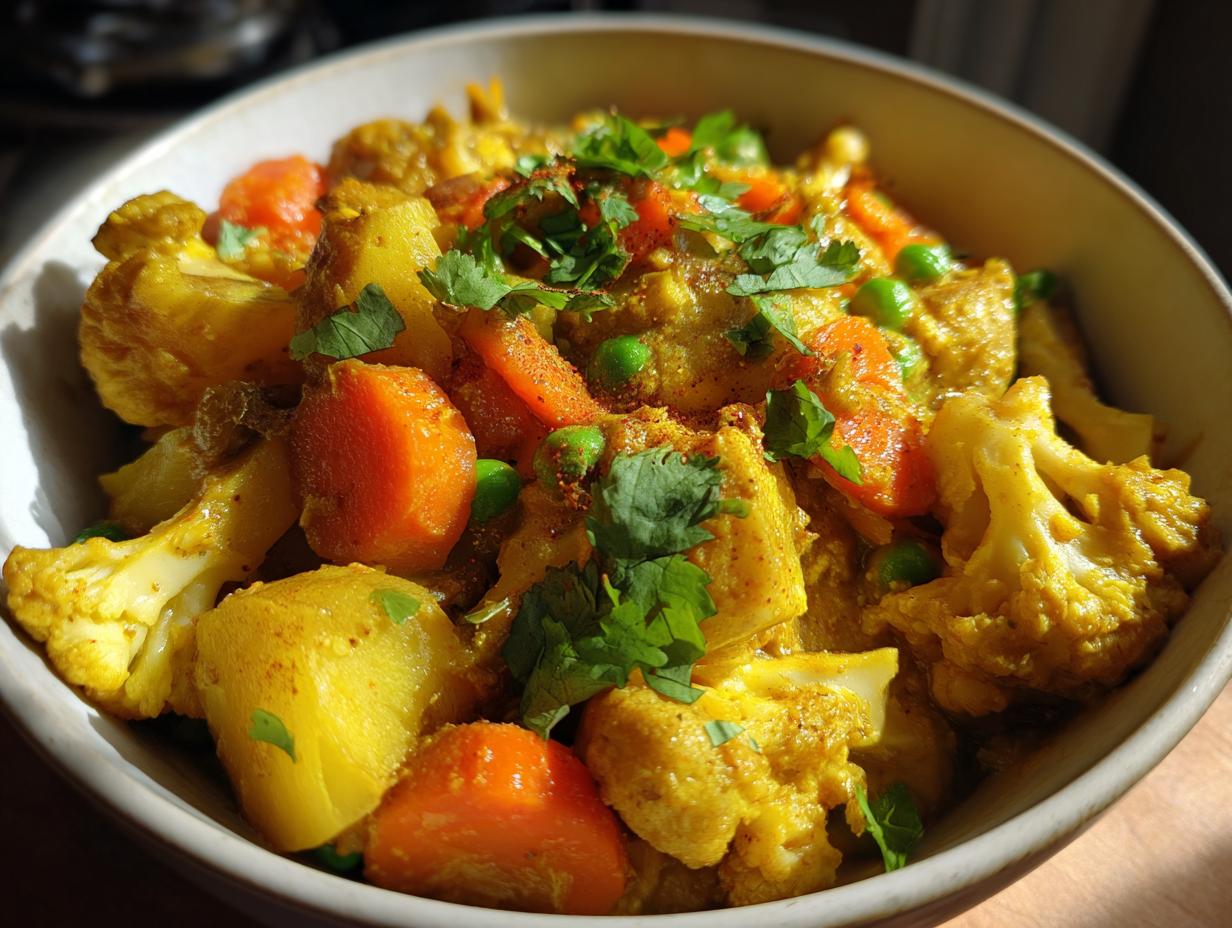
There’s nothing quite like the moment you lift the lid on a simmering pot of vegetable korma and get hit with that warm, spicy aroma. My husband still laughs about how I first fell in love with this dish – back in college when my Indian roommate would make big batches that filled our tiny apartment with scents of garam masala and toasted cashews. For me, it’s the ultimate comfort food that somehow manages to feel both rich and light. That velvety sauce made from blended cashews and cream wraps around any vegetables you throw at it (I’ve used everything from carrots and peas to random fridge scraps!), creating a curry that works just as well for Tuesday dinners as it does for impressing guests. What I especially love is how the spices mellow into this sweet, nutty harmony – none of that harsh heat you sometimes get with curries. It’s the kind of dish you’ll catch yourself sneaking spoonfuls of straight from the pot.
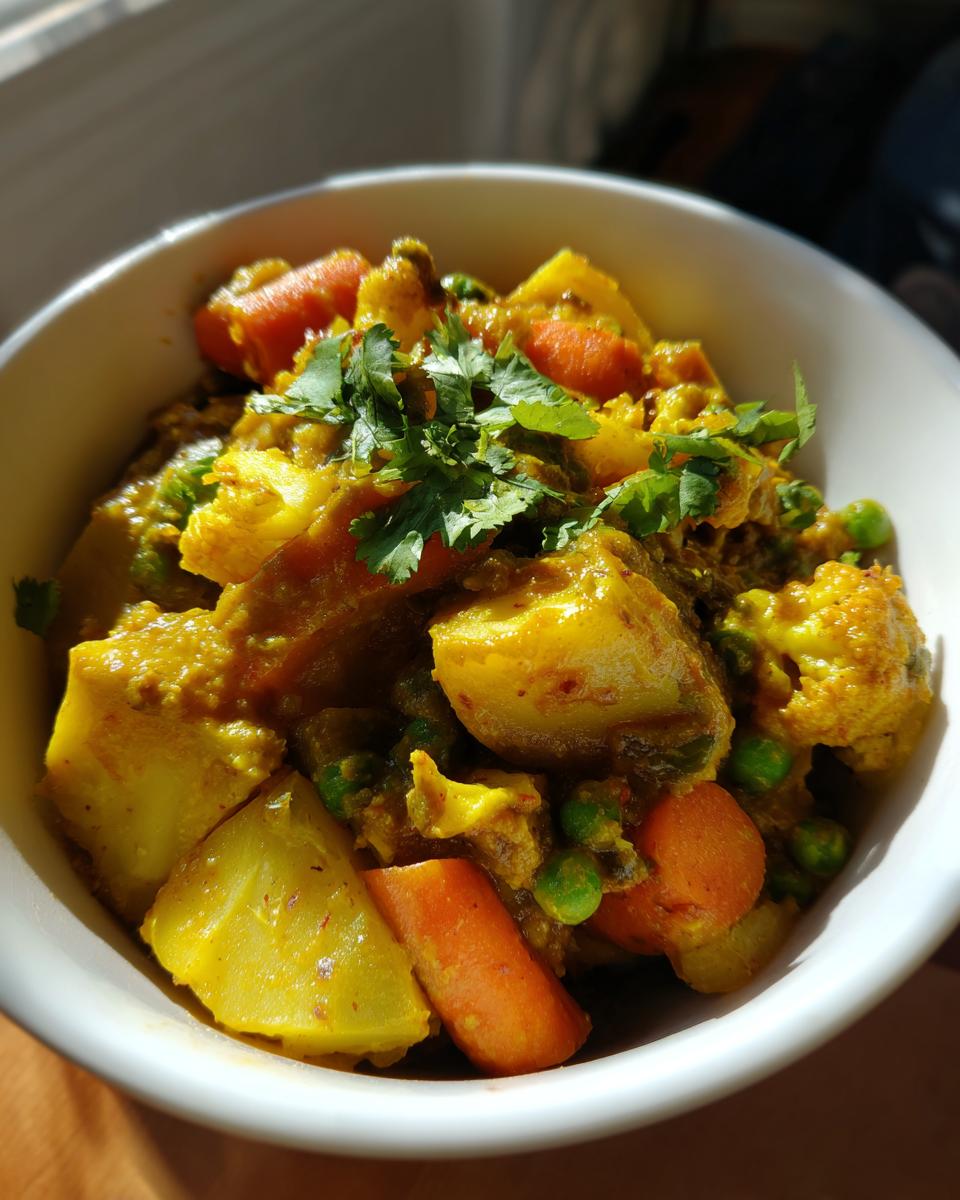
Why You’ll Love This Vegetable Korma
Let me tell you why this vegetable korma recipe has become my weeknight hero and party showstopper all in one:
- Creamy dreaminess: That cashew sauce turns silky smooth when blended – no gritty bits! It coats every veggie like a warm hug.
- Flavor fireworks: The garam masala and turmeric create this magical balance – warm but not spicy, rich but not heavy.
- Fridge freedom: Use whatever veggies you’ve got! I’ve made killer versions with zucchini, bell peppers, even roasted butternut squash.
- One-pot wonder: From blender to skillet, cleanup’s a breeze. Perfect for those “I can’t deal with dishes” nights.
- Diet-friendly: Swap the cream for coconut milk and boom – you’ve got a luscious vegan version that still tastes indulgent.
Trust me, once you try this, you’ll understand why my family begs me to make it every Sunday!
Vegetable Korma Ingredients
Okay, let’s dive into what makes this vegetable korma so magical! I’ve grouped everything so you can prep like a pro. And don’t worry – while the ingredient list looks long, half of these are probably already in your spice cabinet!
For the Sauce (aka the Liquid Gold):
- ½ cup raw cashews (soaked in warm water for at least 15 minutes – trust me, this makes all the difference)
- 1 cup water (I use hot water from the kettle to speed up soaking if I’m impatient)
- 1 tablespoon ginger-garlic paste (or 2 cloves garlic + 1 inch ginger minced if you’re feeling fancy)
- 1 teaspoon garam masala (that warm, toasty spice blend that smells like heaven)
- ½ teaspoon turmeric (for that gorgeous golden color)
- 1 teaspoon coriander powder (the secret background singer that makes everything harmonize)
For the Veggies & Finish:
- 2 tablespoons oil (I use avocado, but ghee works beautifully too)
- 1 medium onion, chopped (yellow or red both work – I’m team yellow for sweetness)
- 2 cups mixed vegetables (my go-to combo: carrots, potatoes, peas, and cauliflower florets – but see my veggie stir-fry post for more inspiration!)
- ¼ cup heavy cream (or coconut milk if you’re going dairy-free – both are dreamy)
- Salt to taste (start with ½ teaspoon and adjust – the cashews add natural saltiness)
Pro tip: Measure your spices before starting! There’s nothing worse than fumbling with spice jars while your onions are browning. Ask me how I know…
How to Make Vegetable Korma
Alright, let’s get cooking! This vegetable korma comes together in about 30 minutes, but tastes like you’ve been simmering it all day. Here’s exactly how I make it – with all my little tricks for perfect results every time:
- Blend that dreamy cashew sauce: Drain your soaked cashews (save that water for plants – it’s magical!) and toss them in the blender with fresh water, ginger-garlic paste, and all those gorgeous spices. Blend for a full minute until it’s completely smooth – you shouldn’t feel any grittiness when you rub a drop between your fingers. Pro tip: If your blender struggles, add an extra tablespoon of water. Better to have it slightly thin than chunky!
- Sauté those onions: Heat your oil in a large skillet over medium heat. Add the chopped onions and cook, stirring occasionally, until they turn translucent – about 3 minutes. Don’t rush this step! Those softened onions are the flavor foundation. If they start browning too fast, just lower the heat a smidge.
- Cook your veggies: Toss in your mixed vegetables and stir to coat them with the oniony oil. Let them cook for about 5 minutes – you want them to just start softening but still have some crunch. Hard veggies like carrots and potatoes go in first, then quicker-cooking ones like peas later if you’re being precise.
- Bring it all together: Pour in that luscious cashew sauce and give everything a good stir. The sauce will look thin at first – don’t panic! Reduce heat to low, cover, and let it simmer gently for 15 minutes. Peek occasionally to stir and make sure nothing’s sticking. You’ll know it’s ready when the sauce coats the back of a spoon and your veggies are fork-tender.
- The grand finale: Stir in the heavy cream (or coconut milk) and salt to taste. Let it cook uncovered for just 2 more minutes to meld the flavors – any longer and the cream might separate. And voila! You’ve just made restaurant-quality korma at home.
Serve it piping hot over basmati rice – though honestly, I’ve been known to eat it straight from the pan with a piece of naan when no one’s looking. For an extra special touch, try my garlic naan recipe – they’re perfect for soaking up every last drop of that creamy sauce!
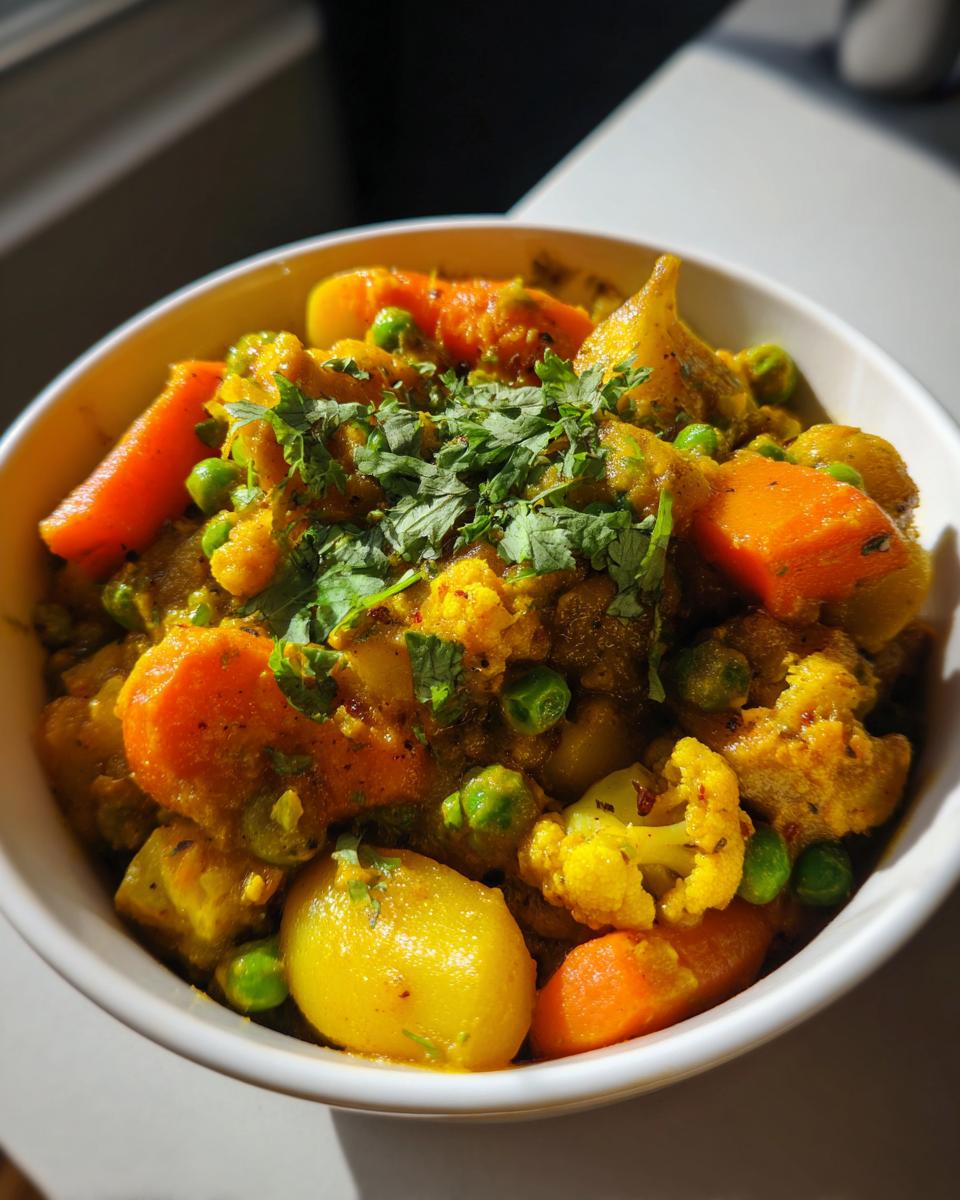
Pro Tip: Soaking Cashews
Here’s why soaking matters: raw cashews have natural compounds that can make your sauce taste slightly bitter and prevent it from getting silky smooth. Soaking softens them up so they blend into velvety perfection. No time? Pour boiling water over the cashews and let them sit for just 10 minutes – it’s not ideal, but works in a pinch! Just don’t skip this step unless you want grainy korma (and trust me, you don’t).
Serving Suggestions for Vegetable Korma
Now comes the best part – loading up your plate with this glorious vegetable korma! Here’s how I love to serve it:
- Basmati rice is my go-to – that fluffy texture soaks up the sauce beautifully. Pro tip: toss a few cardamom pods in the rice cooker for extra fragrance!
- Fresh naan is mandatory in my house – nothing beats tearing off a warm piece to scoop up creamy bites.
- Quinoa works surprisingly well if you’re going grain-free – its nuttiness complements the cashew sauce perfectly.
For garnishes, I’m all about that fresh cilantro shower and a sprinkle of toasted almond slivers for crunch. Sometimes I’ll add a dollop of cooling yogurt if I’ve been heavy-handed with the spices. And if you really want to impress, pair it with my garlic roasted potatoes – the crispy edges dipped in korma sauce? Absolute heaven!

Vegetable Korma Variations
One of the best things about vegetable korma is how forgiving it is – I’ve tweaked this recipe more times than I can count depending on what’s in my fridge or who’s coming to dinner! Here are my favorite ways to mix it up:
For my dairy-free friends, swap the heavy cream for coconut milk – the rich, slightly sweet flavor actually makes the spices sing even louder. If you’re craving extra protein, toss in cubes of paneer (that glorious Indian cheese) during the last 5 minutes of cooking – they soak up the sauce like little flavor sponges.
Heartier veggies like sweet potatoes or butternut squash turn this into a winter comfort dish – just chop them small so they cook through. And if you like some heat? Stir in a teaspoon of cayenne or a chopped green chili when sautéing the onions. My husband adds both (showoff), but I prefer just a pinch of red pepper flakes for gentle warmth.
The beauty is that no matter how you change it up, that creamy cashew base keeps everything tasting luxurious. Last week I made it with zucchini and eggplant from my garden – not traditional, but absolutely delicious!
Storage and Reheating Tips
Okay, let’s talk leftovers – because let’s be real, this vegetable korma tastes even better the next day when all those flavors have had time to cozy up together! Here’s how I keep it tasting fresh:
For the fridge, just pop it in an airtight container (I’m obsessed with glass ones – no stains!) and it’ll stay good for 3 days. The sauce thickens as it cools, which is actually perfect for reheating. Speaking of which – when you’re ready to eat, splash in a tablespoon or two of water and warm it gently over medium-low heat, stirring often. The steam brings back that luscious creaminess without making it watery.
Want to freeze it? You absolutely can! Portion it into freezer bags (lay them flat to save space) and it’ll keep for 1 month. Thaw overnight in the fridge, then reheat with that same water trick. Pro tip: If the sauce separates a bit after freezing, just give it a vigorous stir – the cashews help it emulsify again beautifully. Now go forth and meal prep like the korma-loving champion you are!
Vegetable Korma FAQs
I get so many questions about this vegetable korma recipe – here are the ones that pop up most often in my kitchen and DMs!
Can I use frozen vegetables?
Absolutely! I do this all the time when fresh veggies aren’t handy. Just add them later in the cooking process – about 5 minutes before the end – so they don’t turn to mush. Frozen peas and carrots work especially well. Pro tip: No need to thaw first, just toss them in frozen!
Is this vegetable korma gluten-free?
Yes indeed! The recipe is naturally gluten-free as written. Just double-check your garam masala and other spice blends to ensure they’re certified GF if that’s a concern for you. I’ve had friends with celiac disease enjoy this without any issues.
What if I can’t have nuts?
While cashews give that signature creaminess, you can substitute raw sunflower seeds (soaked same as cashews) for a nut-free version. The flavor changes slightly, but you still get that luxurious texture. I’ve also seen people use cooked white beans in a pinch!
Got more questions? Slide into my Instagram DMs – I love helping troubleshoot korma emergencies! Nothing makes me happier than knowing someone’s enjoying this recipe as much as I do.
Nutritional Information
Just so you know, these nutrition estimates can vary depending on your exact ingredients – that gorgeous cream you used or those extra handfuls of cashews will change things! Generally though, each serving of this vegetable korma gives you a nice balance of protein from the cashews, fiber from all those veggies, and enough healthy fats to keep you satisfied. Not too shabby for something that tastes this indulgent!
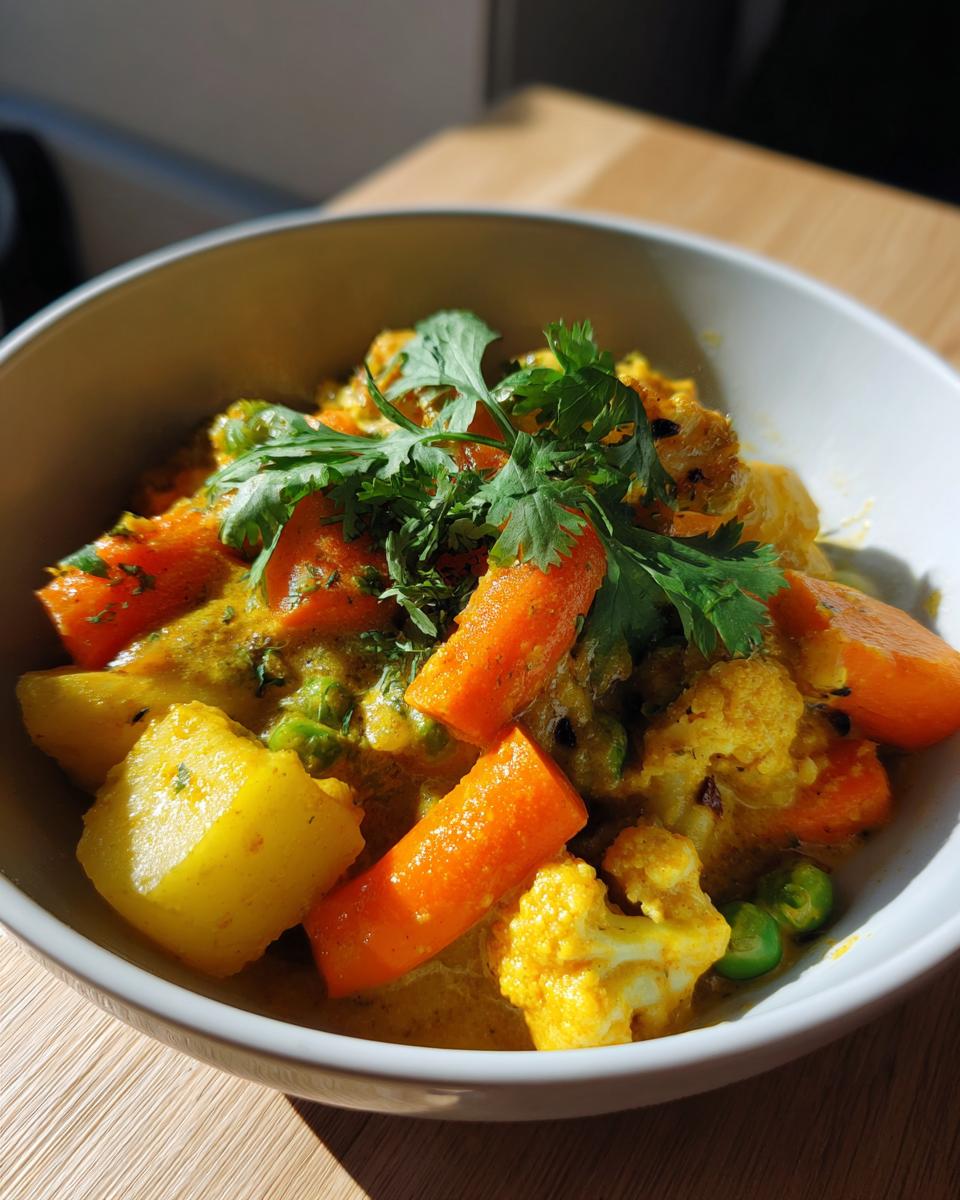
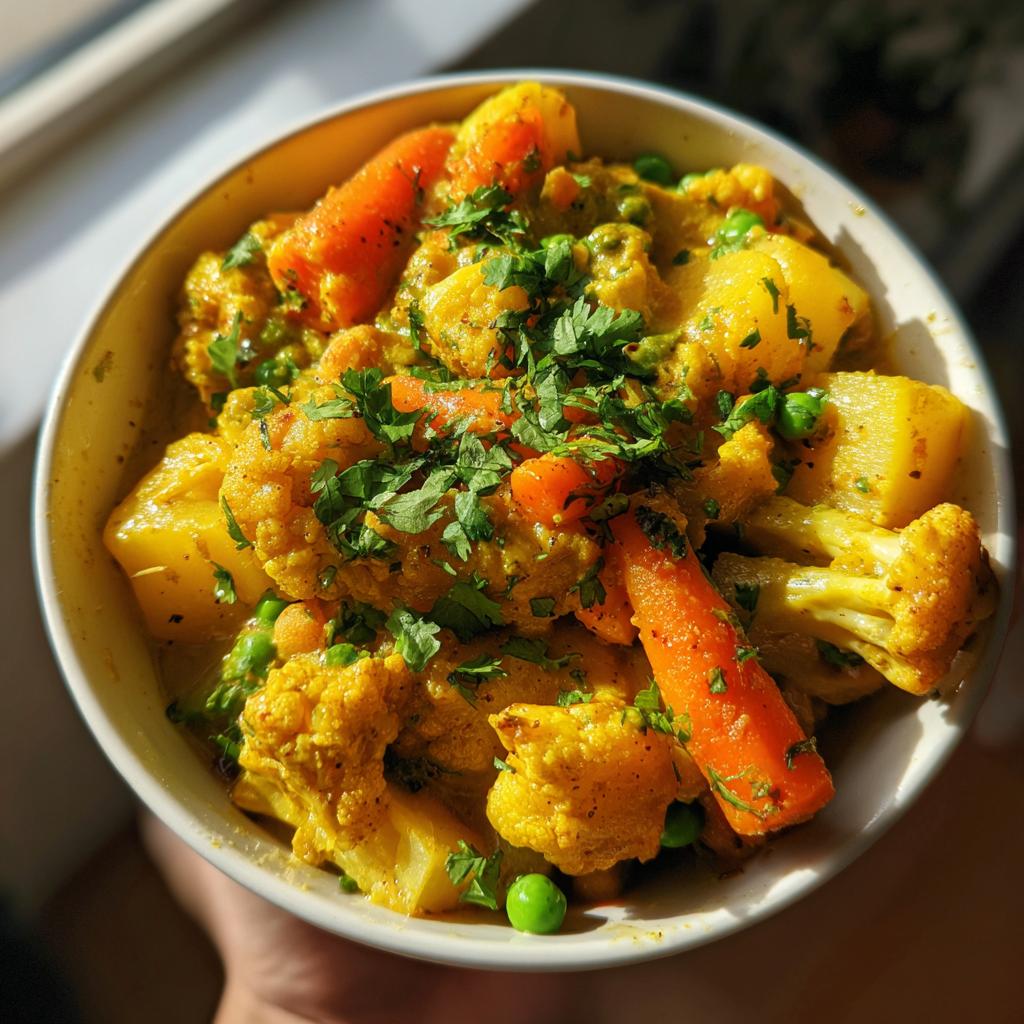
Vegetable Korma
Ingredients
Equipment
Method
- Blend soaked cashews with water, ginger-garlic paste, garam masala, turmeric, and coriander powder into a smooth paste.
- Heat oil in a skillet and sauté onions until translucent.
- Add mixed vegetables and cook for 5 minutes.
- Pour the cashew paste into the skillet and stir well.
- Simmer for 15 minutes until vegetables are tender.
- Stir in heavy cream and salt. Cook for 2 more minutes.