
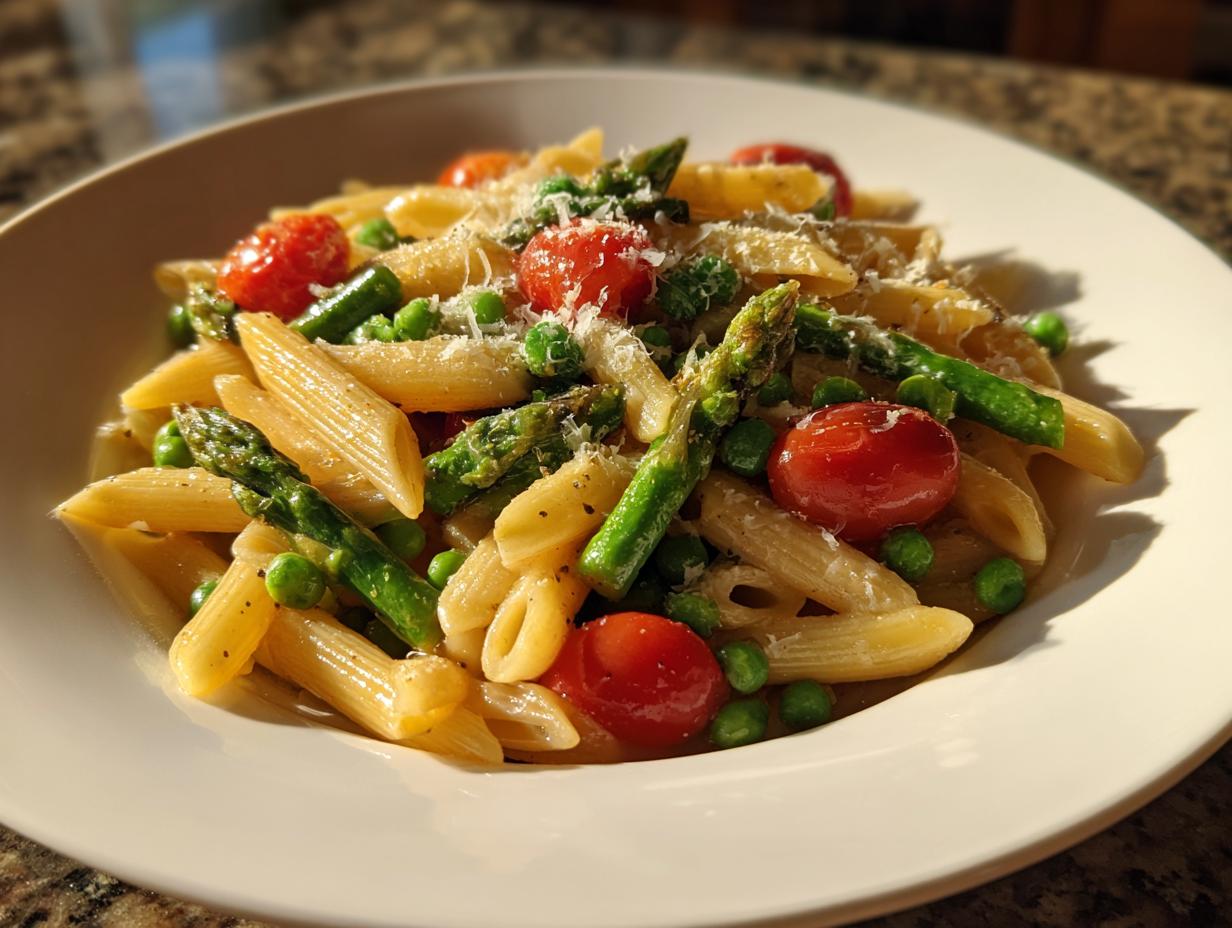
There’s something magical about cooking with spring vegetables – that first bite of crisp asparagus, the pop of fresh peas, the way cherry tomatoes burst with sunshine. I wait all winter for these flavors! My spring veggie pasta recipe celebrates everything I love about this season: quick prep (we’re talking 30 minutes tops), bright colors, and that perfect balance of light yet satisfying. It’s become my go-to weeknight dinner when the farmers’ market starts overflowing with goodies. Just last week, my neighbor dropped off a basket of just-picked peas, and you better believe they went straight into this dish. If you’re looking for spring veggie pasta recipes that actually taste like spring, you’re in the right place.
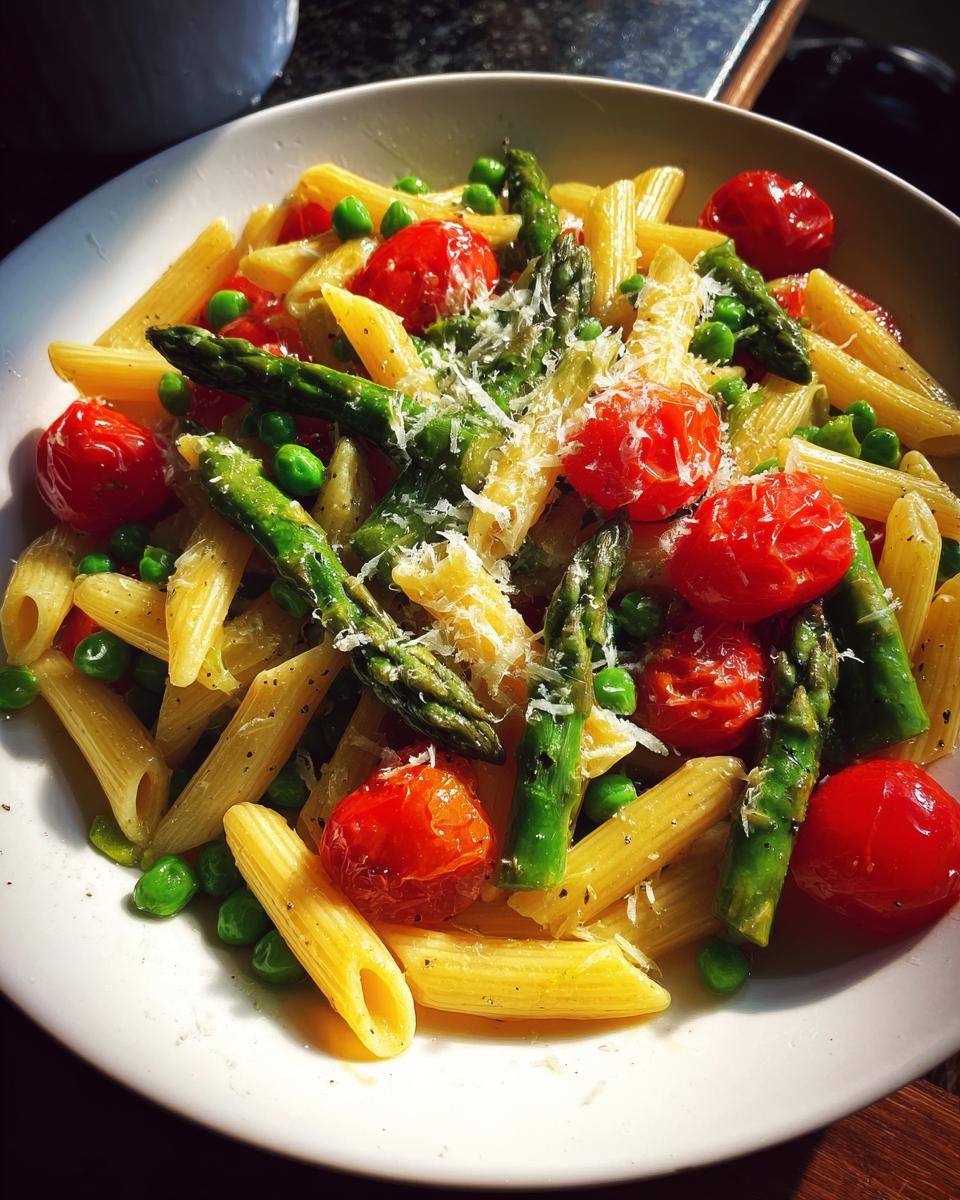
Why You’ll Love These Spring Veggie Pasta Recipes
Oh, where do I even start? This spring veggie pasta has become my absolute obsession for so many reasons:
- Lightning fast: From chopping to serving in just 30 minutes – perfect for those nights when you’re starving but don’t want to spend hours in the kitchen.
- Spring in every bite: Fresh peas, crisp asparagus, and juicy cherry tomatoes taste like sunshine on a plate. I swear, you can actually taste the season!
- Not too heavy: That lemony sauce keeps things bright and fresh – no post-dinner food coma here.
- Your kitchen, your rules: Out of peas? Use zucchini. Want more protein? Toss in some shrimp. It’s the most forgiving recipe in my rotation.
Trust me, once you try this, you’ll be making it all season long. It’s that good.
Ingredients for Spring Veggie Pasta
Okay, let’s gather our spring bounty! I’ve learned that using the freshest ingredients makes all the difference with this recipe. Don’t worry – everything’s easy to find, and I’ll share my little tricks for each component. You’ll want to prep some things before cooking (trust me, it makes the process so much smoother). Here’s what you’ll need:
For the Pasta
- 12 oz pasta: I love using penne or fusilli because those little ridges and twists hold onto the sauce beautifully. But really, any short pasta works – use what you’ve got!
- 1 tbsp salt: For the pasta water. This might seem like a lot, but it’s the secret to well-seasoned noodles. The water should taste like the sea.
For the Vegetables
- 2 tbsp olive oil: Good quality stuff here – it’s the base of all our flavors. I keep my nice bottle just for finishing dishes like this.
- 1 small onion, diced: Yellow or white both work great. Dice them small so they melt into the sauce.
- 2 cloves garlic, minced: Fresh is best! And don’t be shy with it – I often add an extra clove because, well, garlic makes everything better.
- 1 cup asparagus, cut into 1-inch pieces: Look for bright green stalks with tight tips. Snap off the woody ends – they’ll naturally break where they should.
- 1 cup peas: Fresh if you can find them (so sweet!), but frozen works in a pinch. No need to thaw – they’ll cook right in the pan.
- 1 cup cherry tomatoes, halved: These little bursts of sunshine are my favorite part. If you can’t find cherry tomatoes, regular tomatoes diced small work too.
For the Sauce
- 1/4 cup vegetable broth: This creates the lightest, most flavorful sauce. If you’re not vegetarian, chicken broth works great too.
- 1 tbsp lemon juice: Fresh squeezed, please! It brightens up all the flavors. I usually add a little zest too for extra punch.
- 1/4 cup parmesan cheese, grated: Get a block and grate it yourself – the pre-shredded stuff just doesn’t melt the same way.
- 1/4 tsp black pepper: Freshly cracked is ideal. I keep my pepper mill right by the stove for moments like this.
See? Nothing too fancy, just good, fresh ingredients. And if you’re craving more spring veggies, you could totally add some roasted carrots or cauliflower too – they’d be delicious in this!
How to Make Spring Veggie Pasta
Alright, let’s get cooking! I’ve made this spring veggie pasta so many times I could probably do it in my sleep, but I’ll walk you through each step so yours turns out perfect. The key is keeping everything moving and not overcooking those beautiful veggies – we want them crisp-tender, not mushy. Here’s exactly how I do it:
- Boil the pasta: Get that big pot of salted water boiling (remember, it should taste like the ocean!). Add your pasta and cook it just until al dente – usually about a minute less than the package says. We’ll finish cooking it with the sauce later. Drain it, but here’s my secret – save about 1/2 cup of that starchy pasta water! It’s liquid gold for making the sauce silky.
- Sauté the aromatics: Heat your olive oil in that big skillet over medium heat. Toss in the onions and garlic, stirring frequently so the garlic doesn’t burn. You’ll know they’re ready when the onions turn translucent and smell sweet – about 3 minutes. If the garlic starts browning too fast, just lower the heat a smidge.
- Cook the veggies: Now the fun part! Add the asparagus and peas, stirring to coat them in that delicious garlicky oil. Let them cook for about 5 minutes – you want the asparagus bright green with just a bit of crunch left. Toss in those halved cherry tomatoes last since they cook fastest – just 2 minutes is perfect to warm them through without turning them to mush.
- Make the sauce: Pour in the vegetable broth and lemon juice, scraping up any tasty browned bits from the pan bottom. Let it simmer for about 2 minutes to reduce slightly. This is when I usually sneak a taste and maybe add an extra squeeze of lemon if it needs more brightness.
- Bring it all together: Add the drained pasta to the skillet along with a splash of that reserved pasta water. Toss everything like you mean it! The starch in the water helps the sauce cling to every noodle. If it looks dry, add more water a tablespoon at a time until it’s just right.
- Finish with flair: Take the skillet off the heat and shower everything with freshly grated parmesan and black pepper. Give it one last gentle toss, then serve immediately while it’s piping hot. Watch how fast it disappears!
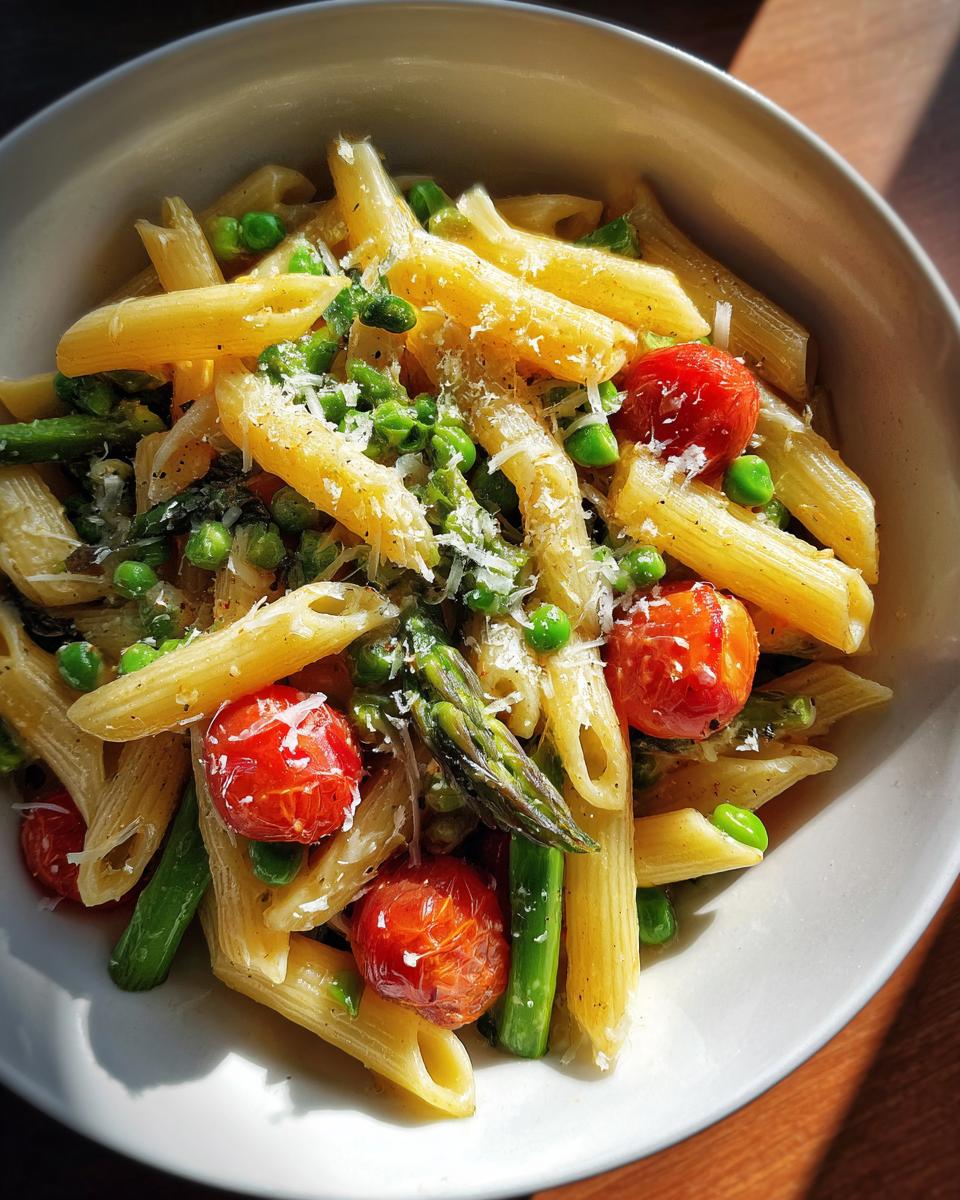
See? Not complicated at all. And if you love skillet meals as much as I do, you might want to try my creamy chicken gnocchi skillet next – it’s another weeknight lifesaver!
Tips for Perfect Spring Veggie Pasta
Here are my hard-earned tricks for making this dish shine every time:
- Blanch fresh peas: If you scored fresh peas, give them a quick 1-minute blanch in boiling water before adding to the skillet. It keeps that gorgeous bright green color.
- Pasta water is magic: Seriously, don’t skip saving some! It makes the sauce coat the noodles perfectly. I keep a mug right by the colander so I remember.
- Taste as you go: That lemon juice amount is just a starting point. I usually end up adding more – you want that zing to balance the sweet veggies.
- Prep ahead: Chop all your veggies before turning on the stove. Things move fast once you start cooking!
Follow these tips, and you’ll have a spring veggie pasta that tastes like it came from your favorite Italian bistro. Promise!
Variations for Spring Veggie Pasta Recipes
One of my favorite things about this spring veggie pasta is how easily you can mix it up! I make it differently almost every time based on what’s in my fridge or garden. Here are some of my go-to twists:
- Switch the greens: No asparagus? Thinly sliced zucchini or yellow squash works beautifully – just add it with the tomatoes since it cooks faster. Broccoli florets are great too if you prefer something heartier.
- Cheese swap: While I adore parmesan, crumbled goat cheese adds such a lovely creaminess. Or try feta for a salty kick – it pairs perfectly with the lemon.
- Make it gluten-free: Just use your favorite GF pasta – the sauce clings just as well to rice or chickpea noodles.
- Add protein: My family loves when I throw in grilled chicken, shrimp, or even crispy pancetta for a more substantial meal.
The possibilities are endless – that’s what makes this recipe such a spring staple in my kitchen!
Serving Suggestions for Spring Veggie Pasta
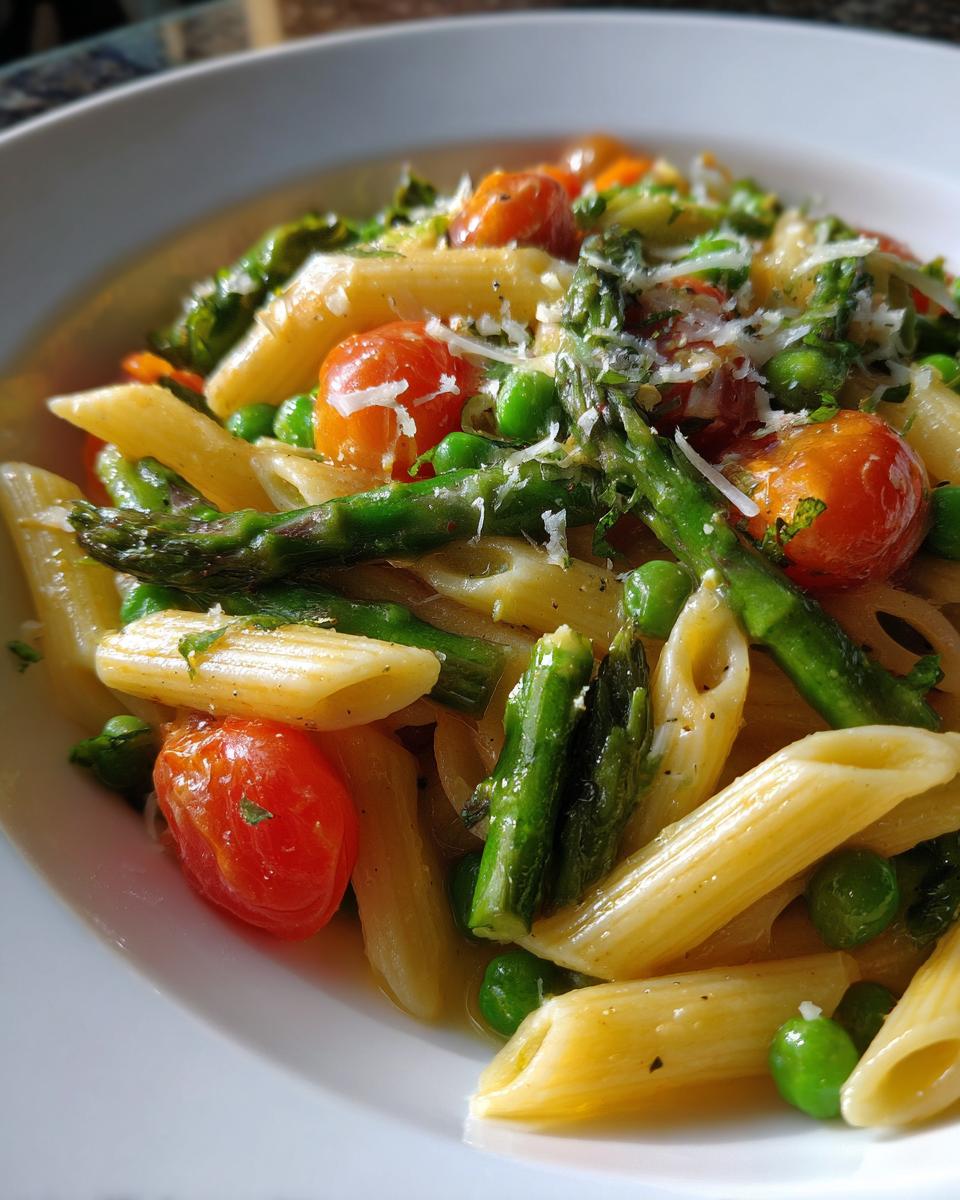
Oh, the fun part – serving up this gorgeous spring veggie pasta! I always take an extra minute to make it look as good as it tastes. A sprinkle of fresh basil or parsley on top makes all the difference – those green flecks against the colorful veggies scream “farm-to-table.” For sides, I’m obsessed with pairing it with garlic bread to scoop up every last bit of that lemony sauce. If you’re feeling fancy, a crisp Pinot Grigio or Sauvignon Blanc is heavenly with all those bright flavors. And for something super simple, try it with my roasted sweet potato and kale salad – the warm and crunchy textures play so nicely with the pasta. Honestly though? It’s fantastic all on its own in a big bowl – just grab a fork and dig in!
Storing and Reheating Spring Veggie Pasta
Now, I know this spring veggie pasta is so delicious you’ll probably finish it all in one sitting (trust me, I’ve been there). But if you somehow have leftovers, here’s how to keep them tasting fresh and vibrant. First, let everything cool just slightly – you don’t want to trap steam in the container. Then transfer it to an airtight container and pop it in the fridge. It’ll stay good for about 3 days, though the veggies might lose a tiny bit of their crispness.
When reheating, here’s my little trick: splash in a tablespoon or two of vegetable broth or water before microwaving. Cover with a damp paper towel to keep the moisture in. Stir halfway through, and voila – it’ll taste almost as good as when you first made it! Just avoid freezing this one – the fresh veggies and delicate sauce don’t take well to the freezer. Better to enjoy it fresh or within a few days.
Spring Veggie Pasta Nutrition Information
Let’s talk nutrition – not in a boring diet kind of way, but in a “wow, this pasta actually makes me feel amazing” kind of way! What I love about this spring veggie pasta is how nourishing and balanced it is, packed with all the good stuff from those vibrant seasonal vegetables. The asparagus and peas bring fiber and vitamins, while the olive oil gives us those healthy fats. Even the pasta water starch helps create that perfect sauce without needing heavy cream!
Now, here’s the thing – your exact nutrition will dance around a bit depending on the specific ingredients you use. Did you go for whole wheat pasta? Splurge on that fancy olive oil? Toss in extra veggies? (Good call!) All these little choices tweak the final numbers. Even different brands of the same ingredient can vary. So take any nutrition info as a friendly estimate – your mileage may vary, as they say.
What matters most is that you’re getting a dish full of fresh, whole ingredients that taste like spring and leave you satisfied without feeling weighed down. That’s the magic of cooking with seasonal produce – nature tends to give us exactly what our bodies want right when we need it most!
FAQs About Spring Veggie Pasta Recipes
I get asked about this spring veggie pasta all the time – here are the questions that pop up most often in my kitchen (and my honest answers!):
Can I use frozen veggies?
Absolutely! Frozen peas are my freezer staple for this recipe – no need to thaw, just toss them straight in. Frozen asparagus or mixed veggies work too, but fresh will give you that perfect crisp-tender bite. The only exception? Cherry tomatoes – those really need to be fresh for that juicy pop.
How to make it vegan?
Easy peasy! Just skip the parmesan or use a vegan alternative (nutritional yeast works surprisingly well here). Double check your pasta ingredients too – some contain eggs. Otherwise, this recipe is naturally plant-based – the veggie broth and olive oil make a killer sauce without any dairy.
Best pasta shape for this recipe?
Short shapes with ridges or twists (like penne or fusilli) are my go-to because they trap all that lemony sauce beautifully. But honestly? Use what you love! Even spaghetti works if you chop the veggies smaller. The only shape I’d avoid is super delicate ones like orzo – they can get lost with all those chunky spring veggies.
Can I prep this ahead?
You can chop veggies a day in advance (store them in separate containers in the fridge), but I don’t recommend cooking the whole dish ahead. Those fresh spring flavors shine brightest when everything comes together right before serving. Leftovers still taste great though – just add a splash of broth when reheating!
What if my sauce seems too thin?
No worries! Let it simmer a minute longer to reduce, or toss in another handful of parmesan off the heat – it’ll thicken right up. Remember, the pasta will soak up some sauce as it sits too. I actually prefer it a bit loose at first – it tightens up perfectly by the time you serve.
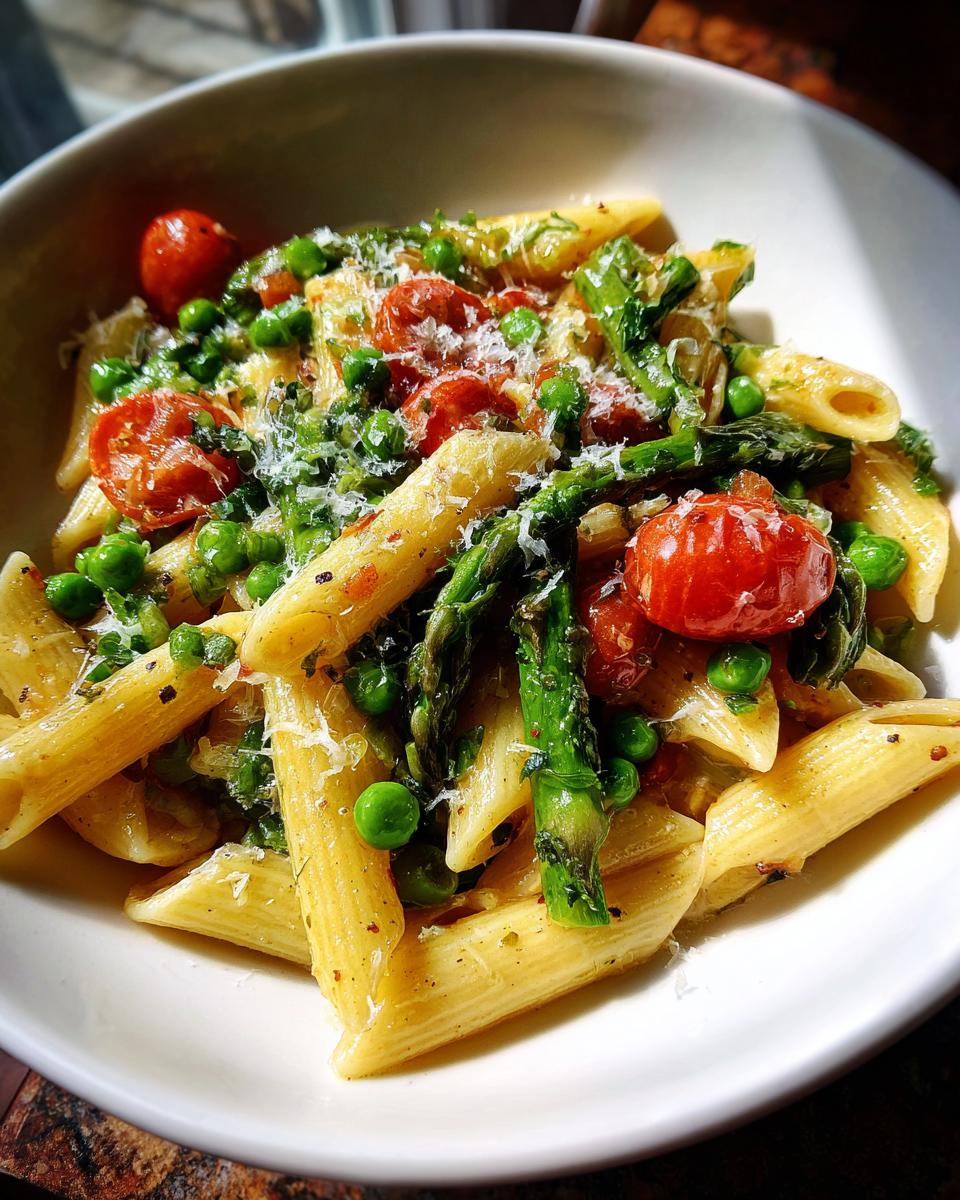
Rate This Spring Veggie Pasta Recipe
Did you make this spring veggie pasta? I’d love to hear how it turned out for you! Drop a star rating below and tell me about your favorite variations – did you add extra lemon? Try it with goat cheese? Your kitchen adventures inspire me! And if you snapped a photo of your colorful creation, share that too. Nothing makes me happier than seeing my recipes come to life in your kitchens.
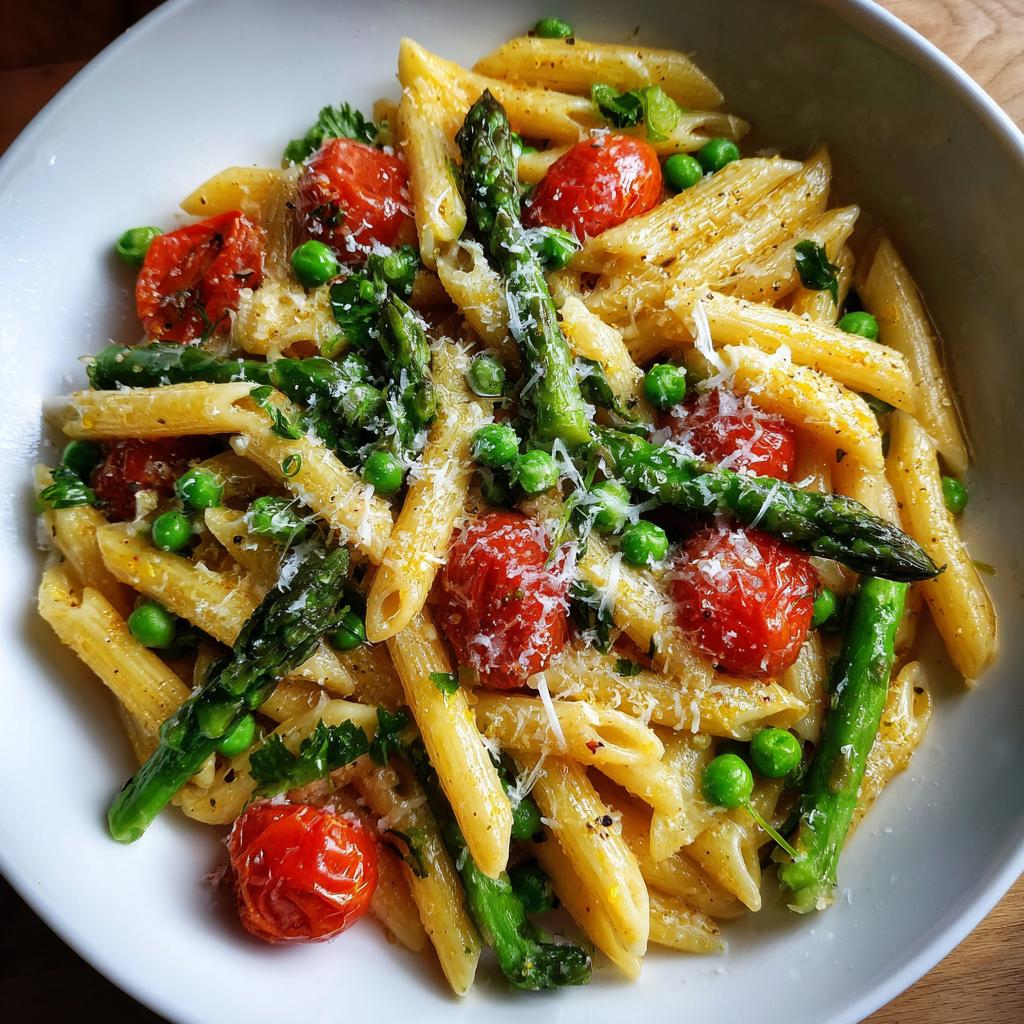
Spring Veggie Pasta
Ingredients
Equipment
Method
- Bring a large pot of water to a boil. Add salt and pasta, then cook according to package instructions. Drain and set aside.
- Heat olive oil in a large skillet over medium heat. Add onion and garlic, sautéing until softened, about 3 minutes.
- Add asparagus and peas to the skillet. Cook for 5 minutes, stirring occasionally.
- Stir in cherry tomatoes and cook for 2 minutes.
- Pour in vegetable broth and lemon juice. Simmer for 2 minutes.
- Add cooked pasta to the skillet. Toss to combine.
- Sprinkle with parmesan cheese and black pepper. Serve warm.